Enquire Now
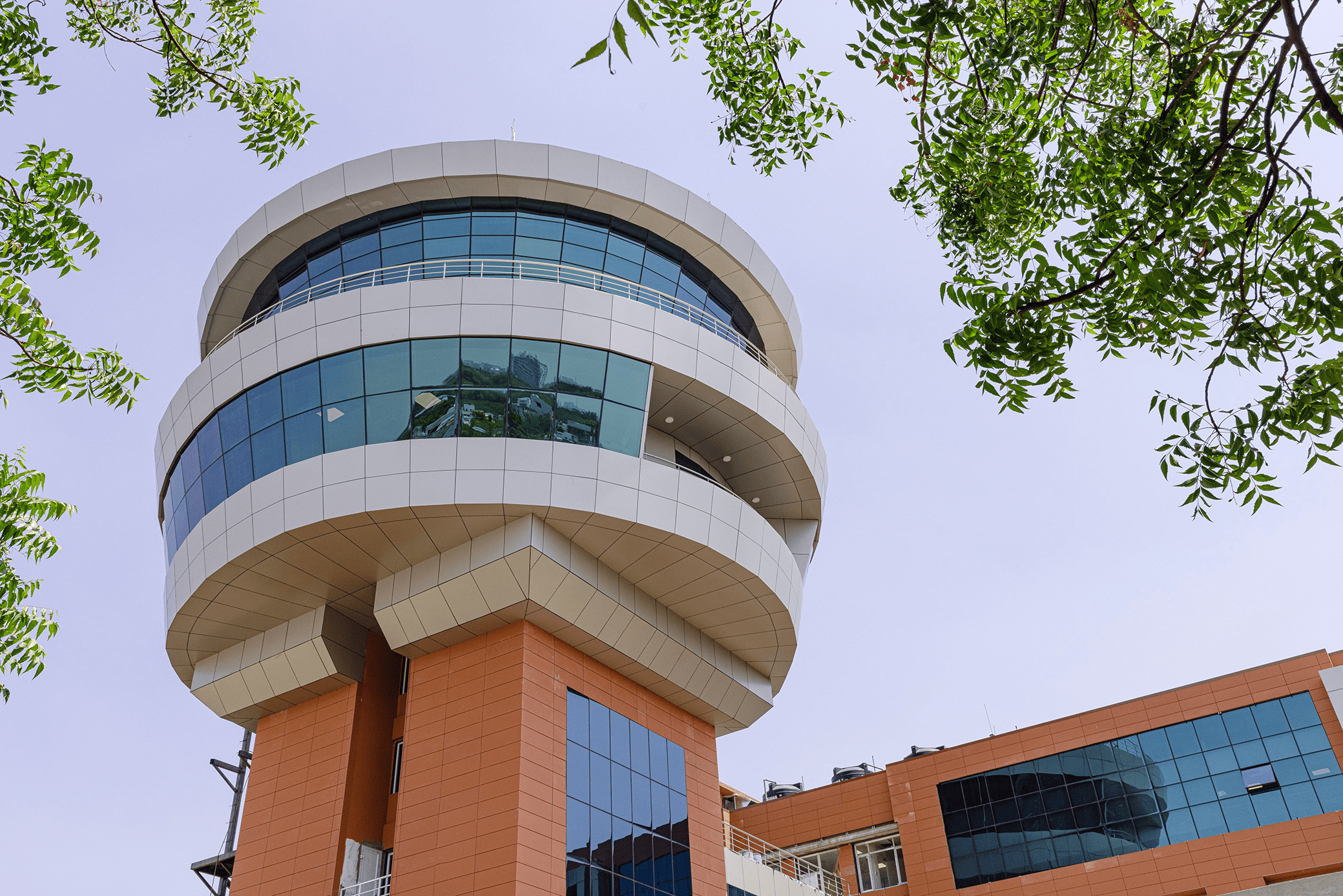
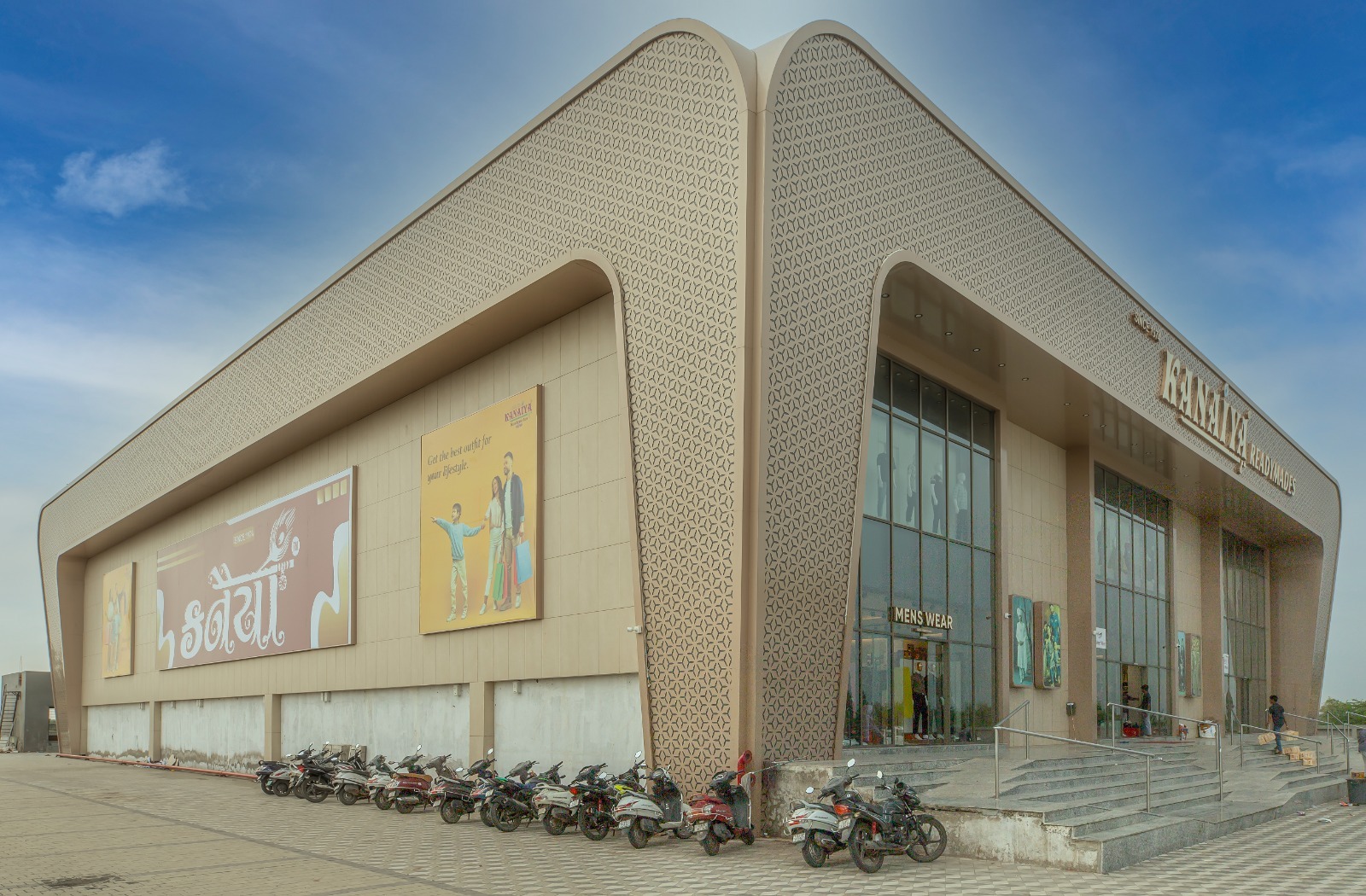
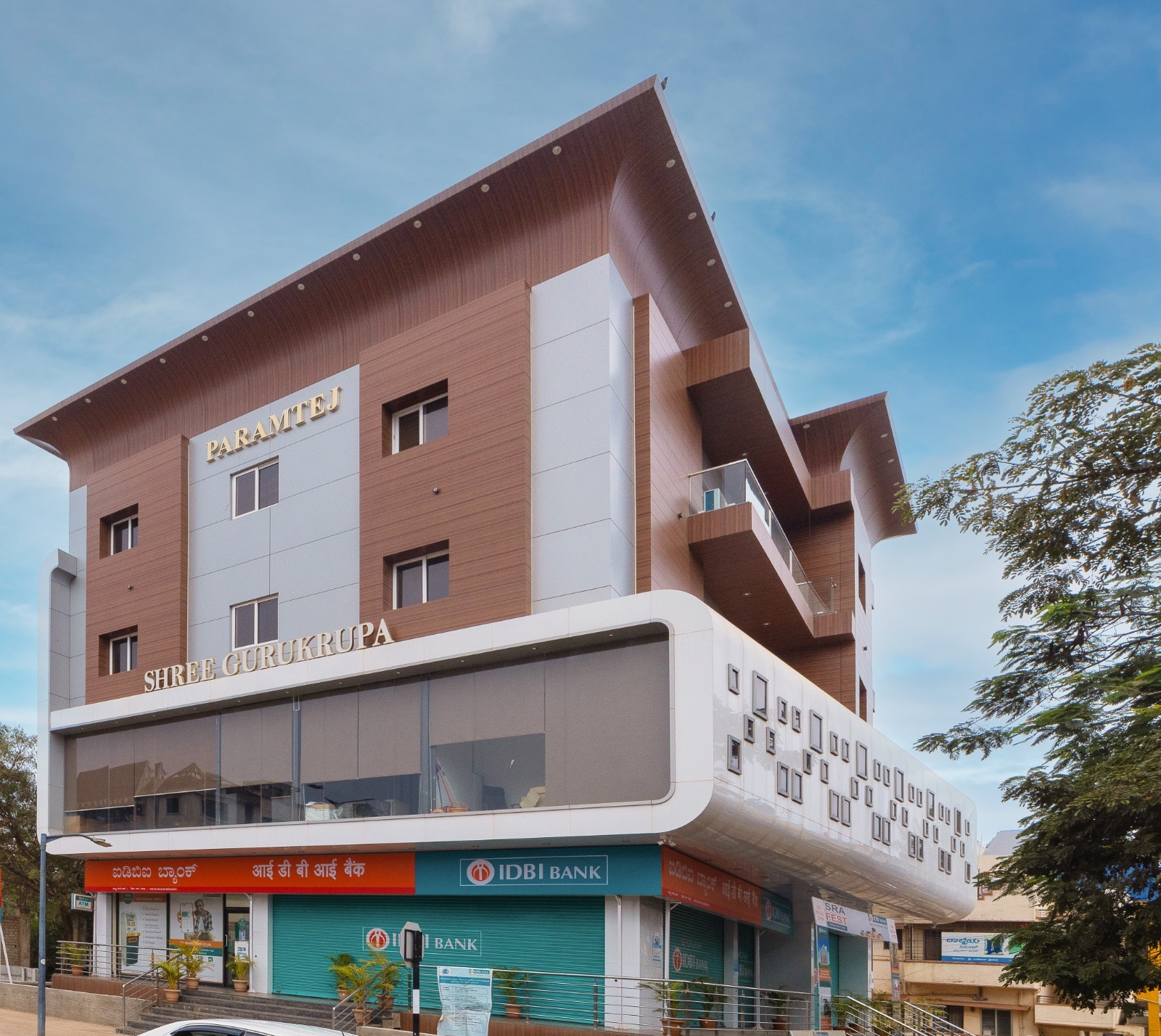
Exterior tile cladding was once India's default facade material, but safety concerns about tiles detaching from buildings have accelerated the shift to mechanically-fixed ACP panels. Falling tiles have caused injuries in Mumbai, Delhi, and other cities, prompting municipal authorities to recommend ACP and other dry-fix systems. This comparison examines why ACP has become the preferred modern alternative to traditional tile cladding.
| Parameter | ACP (VIVA) | Tile Cladding (Ceramic & Vitrified) | Winner |
|---|---|---|---|
| Weight per sqm | 5.5 kg/sqm | 20-30 kg/sqm | ACP ✓ |
| Cost Range | ₹65-200/sq.ft | ₹80-250/sq.ft | ACP ✓ |
| Fire Safety | FR A2+ non-combustible core (VIVA ACCP) | Non-combustible ceramic | Tie |
| Expected Lifespan | 25+ years | 15-20 years (grout fails) | ACP ✓ |
| Maintenance | Low — no grout to maintain | High — grout cracking, tile loosening | ACP ✓ |
| Design Options | 500+ shades, seamless large panels | Limited by tile size, visible grout lines | ACP ✓ |
| Safety | Mechanically fixed, no falling risk | Tiles can detach in earthquakes/rain | ACP ✓ |
| Installation | Dry-fix, any weather | Wet process, weather-dependent | ACP ✓ |
Our technical experts can recommend the best ACP solution for your project.


 en
en
 Spanish
 Arabic
 Swahili
 French

