

 en
en
 Spanish
 Arabic
 Swahili
 French


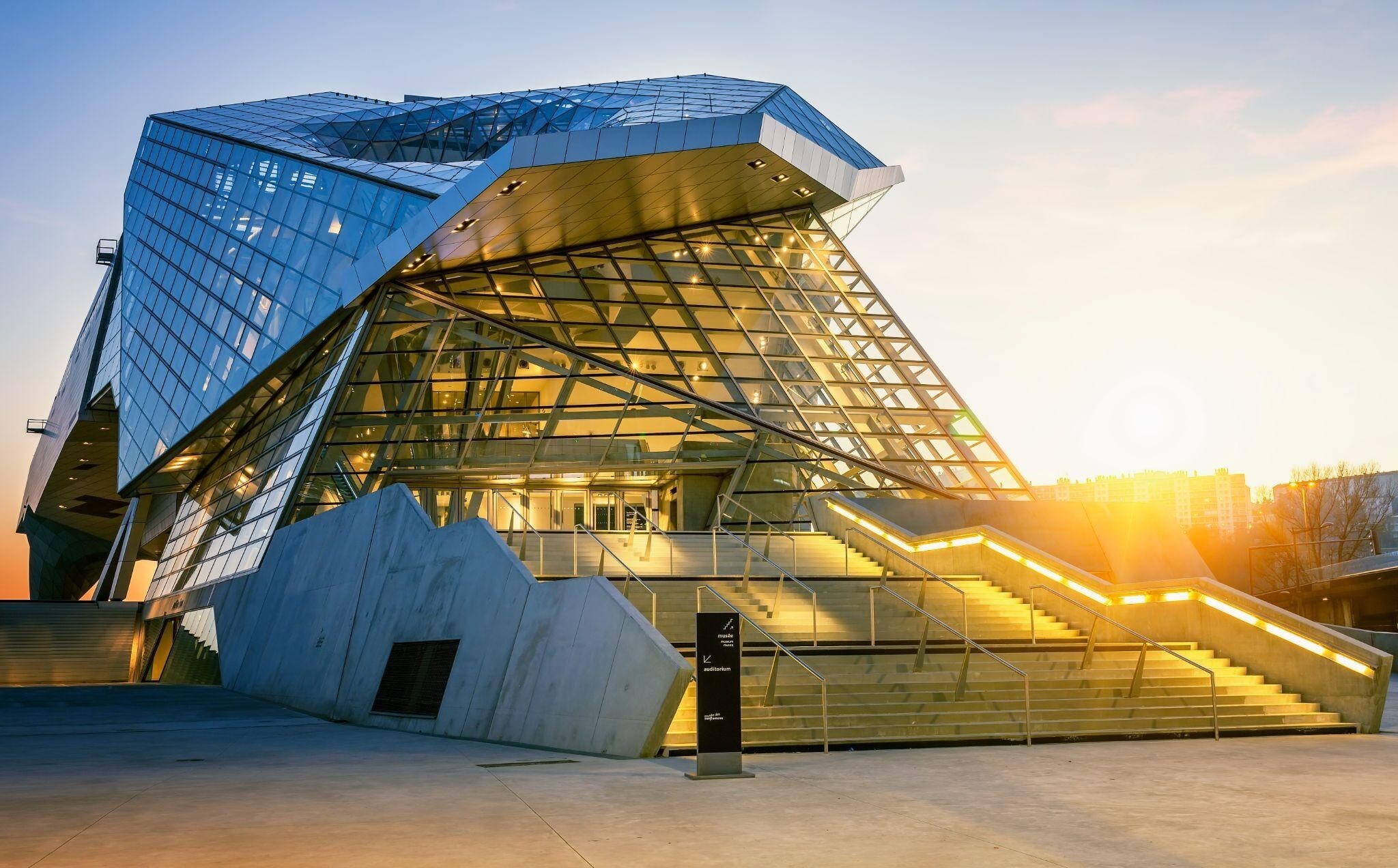
Walk around any modern city today and you’ll notice something interesting: the buildings don’t just stand there anymore they express something. Curves, sharp edges, colours, textures… façades today feel almost like personalities. And if you look closely, a surprising amount of this creativity becomes possible because of one material we probably didn’t think much about twenty years ago: aluminium composite panels.
I still remember the first time I saw an ACP façade being installed. What struck me wasn’t just how lightweight the sheets were, but how effortlessly the installers bent and shaped them. At the time, it felt like a small convenience. Now, looking back, it’s obvious that this flexibility is exactly what opened the door to a whole new design language.
Today, panels like the viva metal composite panel show just how far the material has come. The ACP we knew a decade ago is not the ACP we’re seeing now and certainly not the ACP we’ll see ten years from today.
Fire Safety Is Not Optional Anymore
A decade ago, fire-retardant panels were mostly talked about in technical meetings. Now they’re part of mainstream conversation because building regulations have changed dramatically around the world. Architects don’t just ask whether a panel looks good they ask how it behaves under heat, how it resists flame spread, how much smoke it produces.
Panels like the viva composite panel (and similar next-gen FR panels) are deliberately engineered with mineral-filled cores that perform far better in fire situations than older ACPs. This evolution is not slowing down. With each passing year, standards get stricter, and the panels get smarter.
Surface Coatings Are Quietly Becoming the Real Heroes
If you’ve ever seen a building fade unevenly after a few summers, you understand why architects obsess over coatings now. UV exposure, dust, humidity all leave marks.
The next decade of ACP coatings will probably focus on:
●Colours that remain consistent for 15–20 years
●Self-cleaning surfaces (a blessing in polluted urban zones)
●Textures that mimic real materials far better than older prints
This also plays into the ongoing conversation around acp sheet price. A panel that holds its colour and resists stains for years isn’t just a product, it's a cost-saving decision.
Sustainability Is No Longer a Trend It’s a Requirement
One thing that has changed dramatically in the last 5–7 years is how seriously the construction world takes sustainability. Green building certifications have pushed manufacturers to rethink how ACP is made.
You’ll see more:
●Recycled aluminium
●Low-VOC bonding materials
●Heat-reflective finishes
●Panels that can be recycled easily at end-of-life
Brands working on eco-friendlier options like the viva aluminium composite sheet are essentially preparing for a future where sustainability is the baseline, not a selling point.
The Aesthetic Side of ACP Keeps Evolving
Here’s something I find genuinely fascinating: ACP doesn’t look like ACP anymore. Designers today can choose from finishes that resemble wood, stone, copper, corten steel, brushed metal, textured patterns the list keeps growing.
And this isn’t just about imitation; it’s about expanding architectural vocabulary. Ten years ago, if an architect wanted a wood façade, they used wood. Today, they might choose ACP that looks like wood but performs far better in terms of durability and maintenance.
Custom prints, 3D textures, unconventional colours these aren’t “extras” anymore. They’re part of everyday design conversations.
ACP Fits Naturally into the Idea of Smart Cities
If cities are becoming smarter, the materials used to build them need to keep up. This is where ACP quietly excels.
It’s light, easy to transport, simple to install, and adaptable. Future ACP developments will likely include:
●Façades that incorporate sensors
●Surfaces that reflect more heat for energy-efficient buildings
●Integration with solar films
●Prefabricated ACP modules for faster construction timelines
Given how important construction speed and cost have become, ACP’s practicality often outweighs its acp sheet price in long-term value.
Where ACP Is Heading
If the last decade was about proving that ACP can be more than a cladding material, the next decade will be about refining and redefining its role.
Lightweight but strong. Flexible but durable. Affordable yet increasingly advanced. It’s a combination that doesn’t come around often in building materials.
Products like the viva metal composite panel represent this evolution—smarter cores, improved coatings, better environmental performance, and a design range that just keeps expanding.
Final Thoughts
Architecture is moving toward materials that do more with less weight, less waste, less maintenance, less environmental impact. Aluminium composite panels fit neatly into that vision.
Whether it’s the viva composite panel, the viva aluminium composite sheet, or any of the new-gen ACPs being developed, one thing is clear: ACP isn’t just keeping up with architecture’s future. It’s helping to shape it.
POPULAR POSTS
-
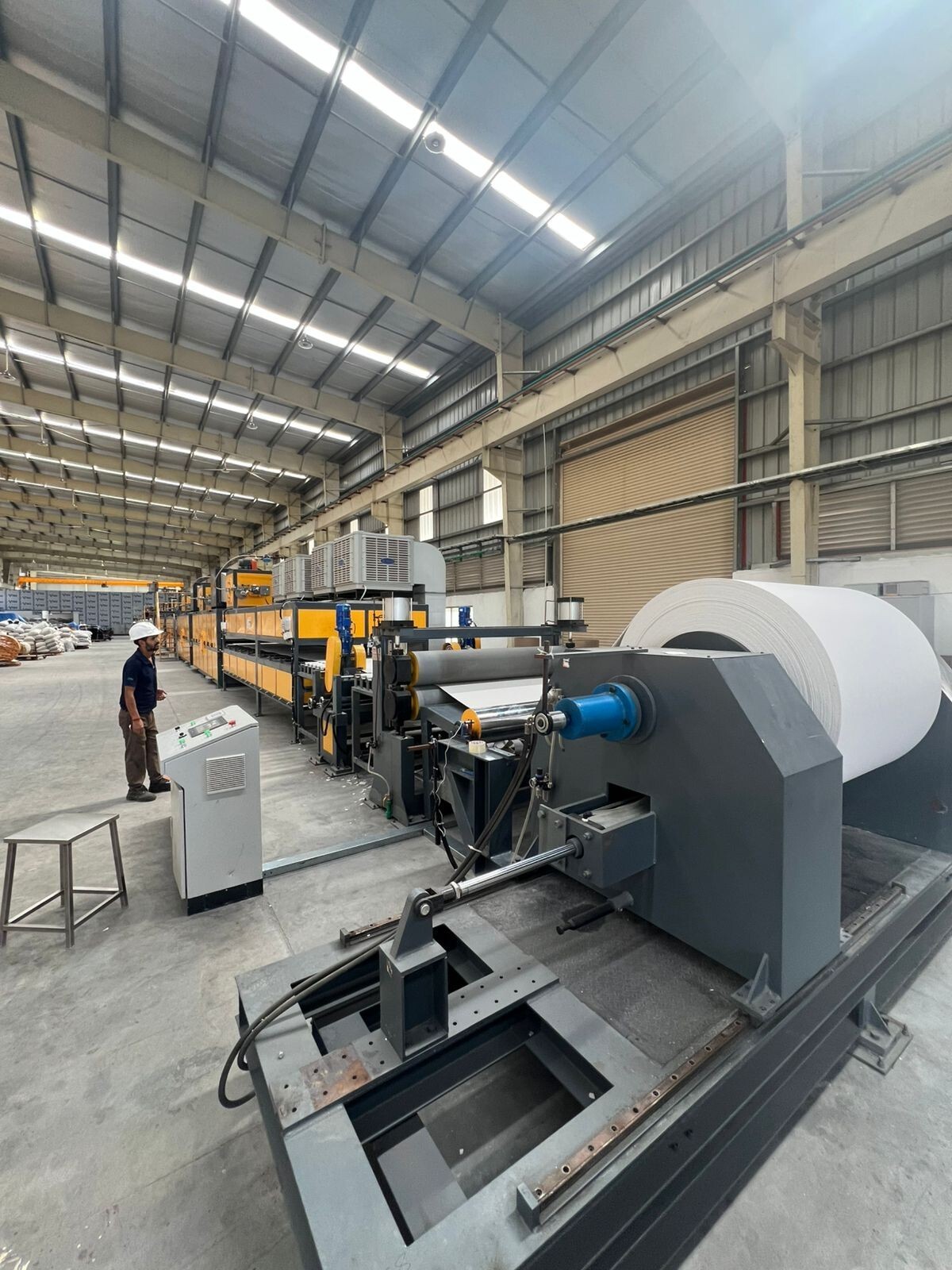 Raising the Bar: India’s First In-House A2 Core Production Facility by Viva Metal Composite Panel Pvt. Ltd.
2025 Dec 23
Raising the Bar: India’s First In-House A2 Core Production Facility by Viva Metal Composite Panel Pvt. Ltd.
2025 Dec 23
-
Material Innovation in Architecture: Advancements in Aluminium Composite Panels for the Next Decade
2025 Dec 23
-
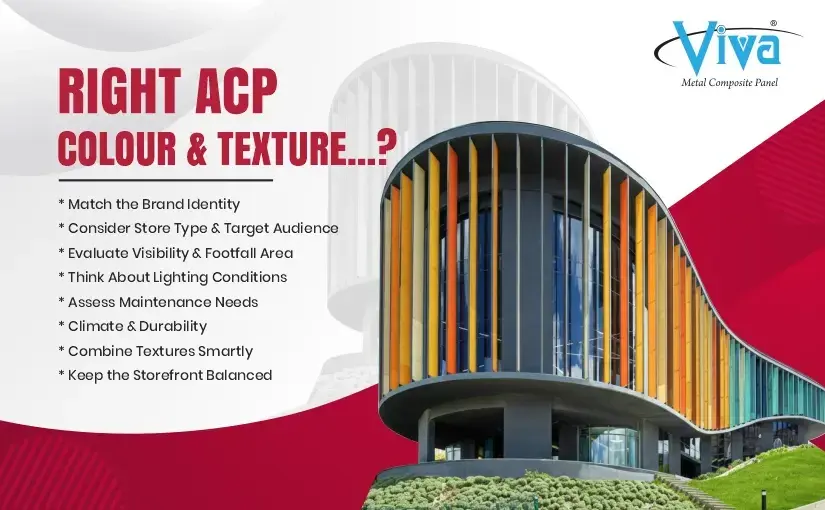 How to Choose the Right ACP Colour & Texture for a Retail Store
2025 Nov 29
How to Choose the Right ACP Colour & Texture for a Retail Store
2025 Nov 29
CATEGORIES
- Aluminium Compsoite panel 38
- ACP Sheet 164
- ACP Facade 7
- Copper Aluminium Sheet 1
- Fire Safety For Buildings 3
- ACP Cladding 12
- Colour Coated Aluminium Coil 2
- Aluminium Corrugated Composite Panel 1
- Facades 6
- Aluminium Honeycomb Panel 5
- Fire Retardant 5
- Zinc Composite Panel 4
- Corten Steel Series 1
- Metal Abstract Series 3
- Wooden ACP Sheet 1
- HPL Sheet 3
- Viva ACP Colour Coating 1
- Wall Cladding 2
- Applications of ACP Panel 1
- Viva ACP 13
- ACP Sheets for Architectural Projects 3
- PVDF vs Polyester 1
- ACP Sheets For Showroom 1
- Viva ACP on International Market 1
- Viva royal club app 1
- ACP Sheets for Branding Corporates 1
- Shades of Santa Fe 1
- Al Zinc Series 1
- ACP Sheet Sizes and Thicknesses 1