en
en
 Spanish
 Arabic
 Swahili
 French


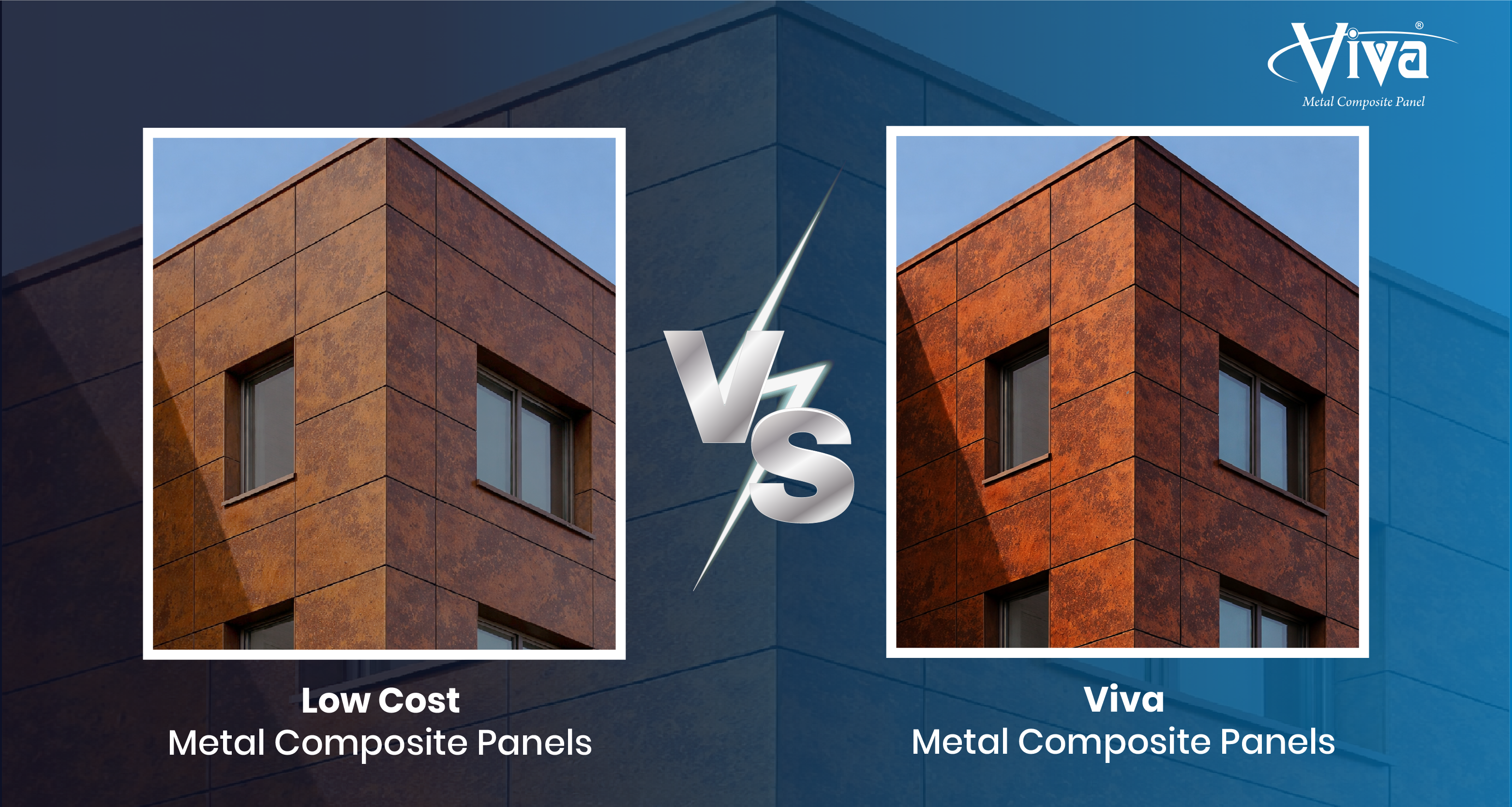
Does your building’s exterior or interior feel old or outdated? When that happens, most people start looking for a material upgrade that improves both appearance and performance. But this is where a common question arises: “Should you choose a more cost-effective option to save money now, or invest in a reliable solution that lasts longer?” This confusion often comes up when comparing low-cost metal composite panels with aluminium composite panels (ACP) used in modern construction.
At the very first glance, lower-cost panels may seem like a smart option. They look similar, cost less, and promise quick installation. But once they are exposed to real-world factors such as durability, safety, maintenance, and long-term appearance, this is where you actually spot the real difference.
At VIVA ACP, we work closely with architects, contractors, and property owners across residential, commercial, and institutional projects. Through this experience, we have seen how early material choices impact a building over time.
In this blog, we will discuss whether Low cost metal composite panels are truly worth it or is it a waste of money, and what you should consider before making a final decision.
What Exactly Are Metal Composite Panels?
Metal composite panels are multi-layer sheets designed to offer great strength, flexibility, and a clean architectural finish. Among the various options available in the construction market, aluminium composite panels are the most widely used because they offer a practical balance between performance and design freedom.
A standard aluminium ACP sheet consists of two aluminium layers bonded to a core material. This structure keeps the panel lightweight while providing rigidity and resistance to external stress. Due to these qualities, ACP is commonly used in:
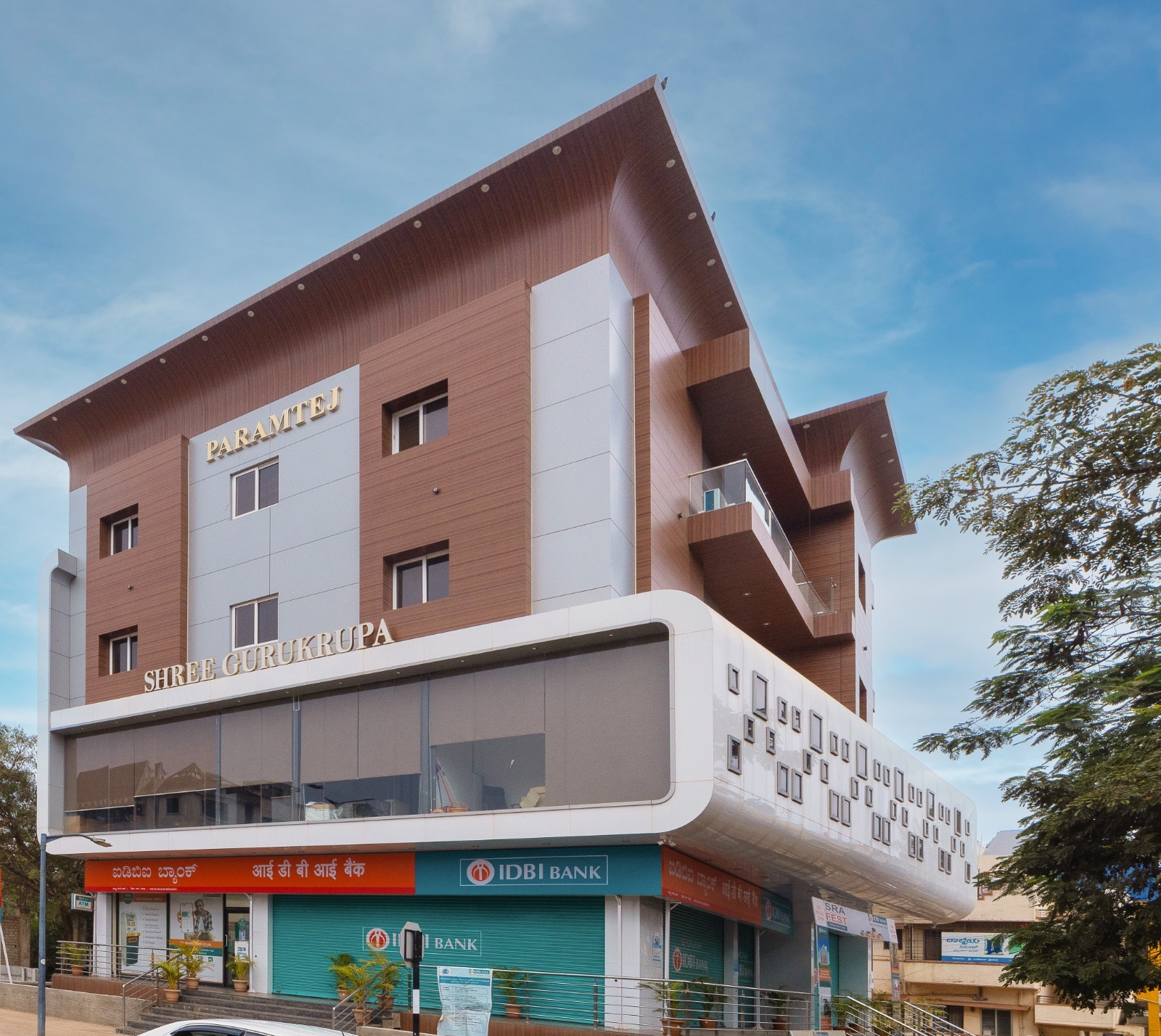
●Commercial Building Elevation Design
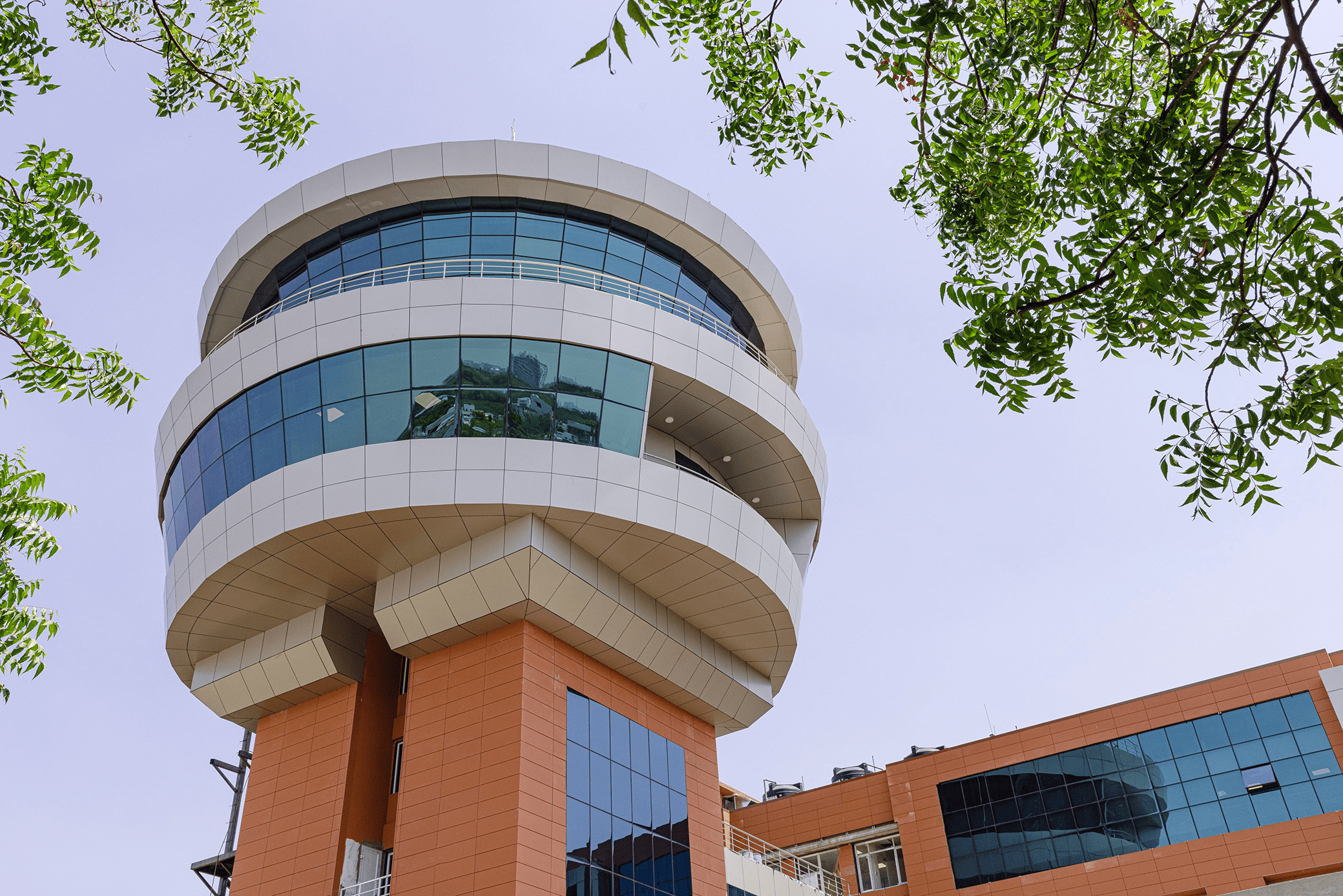
●Hospital Elevation Design
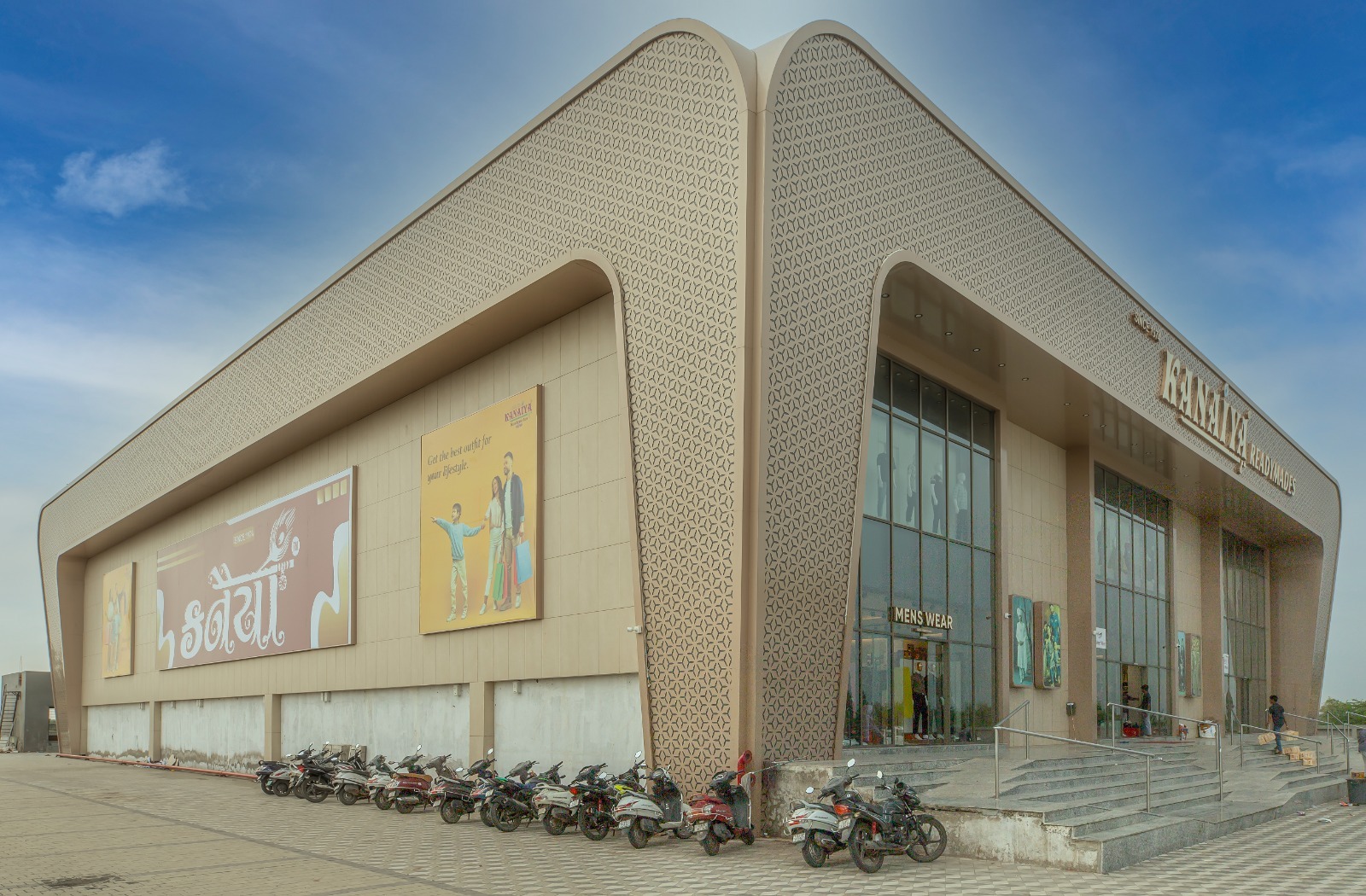
●Retail Façades
●Modern Residential Projects
The performance of a panel normally depends on the quality of its aluminium layers, core material, and surface coating. When manufacturers cut down costs by compromising on these elements, the panel may look acceptable at first but it won’t last long.
Why Low Cost Metal Composite Panels Look Attractive at First
Low cost metal composite panels usually draw attention because of their lower upfront cost. Many projects have to be completed within a fixed budget as a result of which this can feel like a practical decision, especially when the panels appear visually similar.
However, quality issues become noticeable over time. Low cost panels usually use thinner aluminium skins, which reduces strength and makes them more likely to bend, develop surface dents, or lose finish uniformity.
Core material quality is another major concern. Low-grade cores weaken bonding strength and reduce overall rigidity. This can lead to internal separation and a shorter panel lifespan, particularly in large façades and commercial building elevation design, where panels face constant wind and environmental stress.
As a result, these limitations increase maintenance requirements and gradually reduce the building’s structural integrity.
Reason Why Architects and Builders Trust VIVA ACP Over Low Cost Metal Composite Panels
Up to this point, it is clear that the lower priced Low cost-quality metal composite panels often come with hidden compromises. Here are the reasons architects and builders prefer VIVA’s aluminium composite panels.
1. Careful ACP Handling from Day One
At Viva ACP, product quality is not limited to manufacturing alone. We give equal importance to how ACP panels are handled at every stage. Our teams are trained to handle ACP sheets with proper care using protective equipment such as gloves and safety eyewear. This prevents common surface issues like scratches, dents, folds, or edge damage that often occur due to careless handling.
Our aluminium composite panels are packed securely in solid wooden crates, ensuring protection during transportation. The forklifts used at our facilities have adequate load capacity, which helps in safe loading and unloading from trucks and containers. Low cost metal composite panels are often damaged even before installation due to poor packing and handling, leading to wastage and delays.
2. Proper ACP Thickness for the Right Application
ACP sheet thickness plays a major role in how a panel performs once installed. We offer panels in multiple thickness options such as 3mm, 4mm, and 6mm, allowing architects and builders to choose based on their project requirement.
The right ACP thickness depends on where it is used—be it for interior applications, exterior façades, signage, and large commercial elevations. The final thickness depends on both the aluminium alloy coil and the thermoplastic core used. Low cost panels usually limit thickness options or compromise on aluminium skin quality, which leads to bending and surface distortion over time.
3. Easy Fabrication and Accurate Installation
ACP sheets at VIVA are engineered for easy fabrication, fitting, and installation. Our panels offer high tensile strength and flexibility. This allows precise cutting, routing, bending, and folding without damaging the surface or edges.
We make sure that the routing and folding is done correctly using appropriate tools, under a controlled environment, and with uniform grooving. These basics are something which local ACP manufacturers overlook or ignore due to which their metal panels crack, deform, or lose edge strength during fabrication, increasing labour effort and installation errors.
4. Strong and Application-Specific Core Options
The core material inside an aluminium composite panel directly affects how strong, safe, and long-lasting the panel will be. That is why, at Viva ACP, we offer different core options based on how and where the panel will be used.
For regular applications, LDPE (Low Density PolyEthylene) cores keep the panel lightweight and flexible, and make installation easier without adding unnecessary load to the structure.
Low cost metal composite panels are a ‘NO’ in such cases as they rely on a single low-quality core, which limits their performance and can create safety and durability issues.
5. Fire Safety
Fire safety is a serious concern in hospitals, high-rise buildings, commercial spaces, and public infrastructure. Our fire-retardant aluminium composite panels in Class B and Class A2 grades are developed using mineral-based cores such as Magnesium Hydroxide and Aluminium TriHydroxide.
These cores are inorganic and halogen-free that help extinguish the fire. Our panels also prevent flames from spreading, emit no hazardous fumes, and do not produce burning droplets.
6. Antibacterial and Anti-Scratch Features
Viva ACP panels are made for real use and not just for appearance. Our ACP sheets have an antibacterial coating that releases silver ions which actively work against harmful microbes and help reduce bacterial growth on surfaces.
We also offer anti-scratch ACP panels with nanotechnology-based coatings that resist stains, scratches, and marks. Our nano PVDF coated ACPs resist dust, water, oil, and pollutants. This keeps façades clean and calls for minimal maintenance.
Final Verdict
You might be tempted by Low cost metal composite panels at first. You might wonder why to spend more when the same thing is available at a more cost-effective rate. But in reality there’s a huge difference. They may work for a limited time or temporary applications, but for buildings where appearance, reliability, and safety matter, they are rarely worth it.
At Viva ACP, we believe that a good design deserves materials that perform beyond the surface. Try our wide range of aluminium composite panels and experience an all-new standard of quality for modern construction projects.
Frequently Asked Questions
1. If Low cost metal composite panels look similar, why do problems appear later?
Ans. At first, all panels look the same. The difference shows up after installation. At VIVA ACP, we often see inferior-quality panels start bending, denting, or losing their finish because thinner aluminium skins and weak cores fail to withstand long-term stress. Our panels are built with the right thickness, strong bonding, and durable coatings, so they continue to hold their shape and appearance even years after installation.
2. How does VIVA ACP help in choosing the right ACP thickness?
Ans. We do not treat thickness as a one-size-fits-all option. We guide architects and builders based on where the panel will be used such as interiors, façades, signage, or large commercial elevations.
3. Why do architects and builders prefer Viva ACP to other cost-effective products?
Ans. Architects and builders choose Viva ACP because our panels continue to perform long after installation. From proper handling and accurate thickness options to strong core materials and easy fabrication, our panels reduce on-site issues and long-term maintenance.
POPULAR POSTS
CATEGORIES
- Aluminium Compsoite panel 52
- ACP Sheet 170
- ACP Facade 9
- Copper Aluminium Sheet 1
- Fire Safety For Buildings 3
- ACP Cladding 14
- Colour Coated Aluminium Coil 2
- Aluminium Corrugated Composite Panel 1
- Facades 7
- Aluminium Honeycomb Panel 6
- Fire Retardant 8
- Zinc Composite Panel 4
- Corten Steel Series 1
- Metal Abstract Series 3
- Wooden ACP Sheet 1
- HPL Sheet 3
- Viva ACP Colour Coating 1
- Wall Cladding 2
- Applications of ACP Panel 1
- Viva ACP 14
- ACP Sheets for Architectural Projects 3
- PVDF vs Polyester 3
- ACP Sheets For Showroom 1
- Viva ACP on International Market 1
- Viva royal club app 1
- ACP Sheets for Branding Corporates 1
- Shades of Santa Fe 1
- Al Zinc Series 1
- ACP Sheet Sizes and Thicknesses 1
- Louvers and Baffles 1
- Sustainable Facades 1
ARCHIVES
Published by VIVA — Asia's Largest Manufacturer of Aluminium Composite Panels. 15M sq.mt capacity | 500+ shades | Thomas Bell-Wright FR A2+ Certified