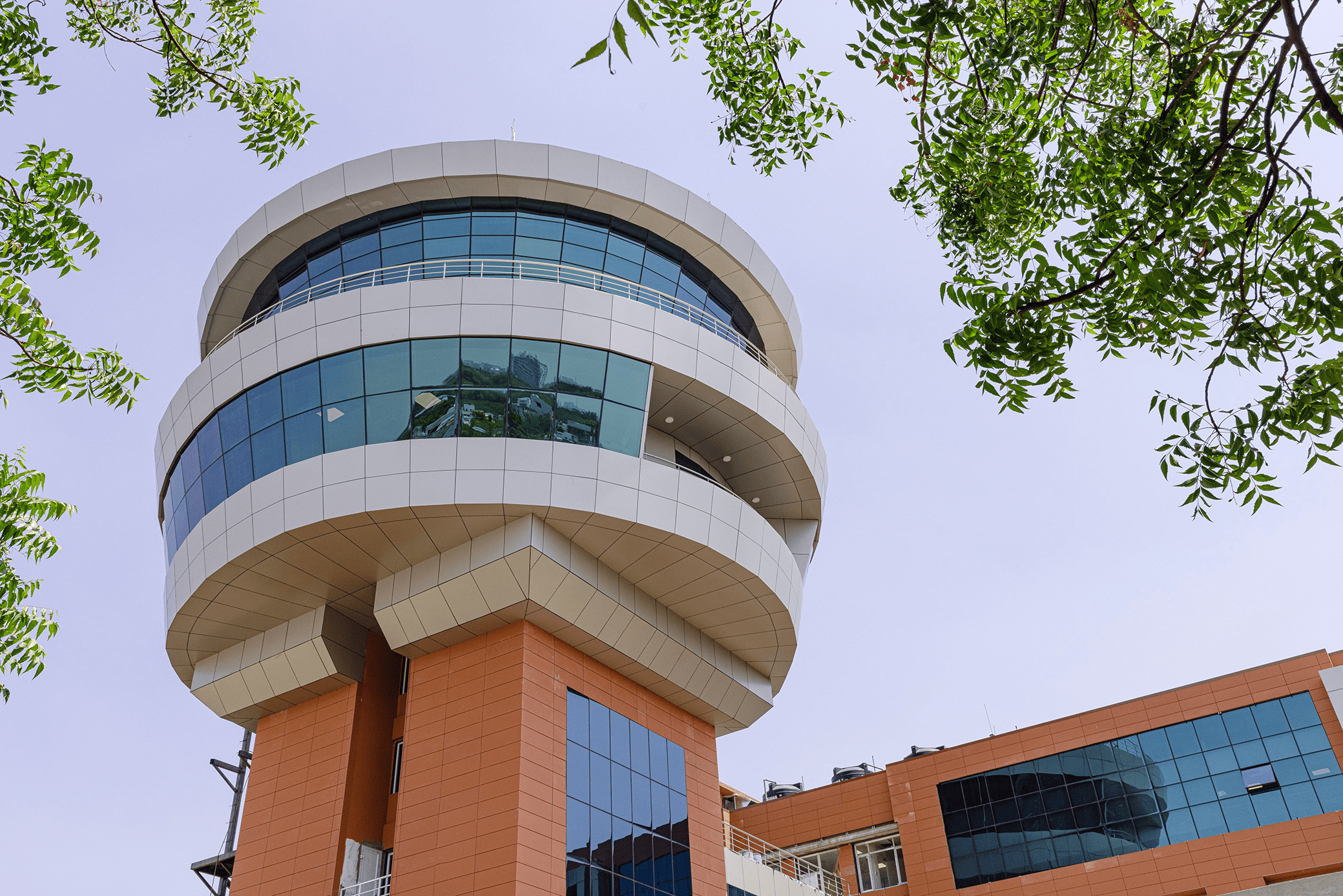
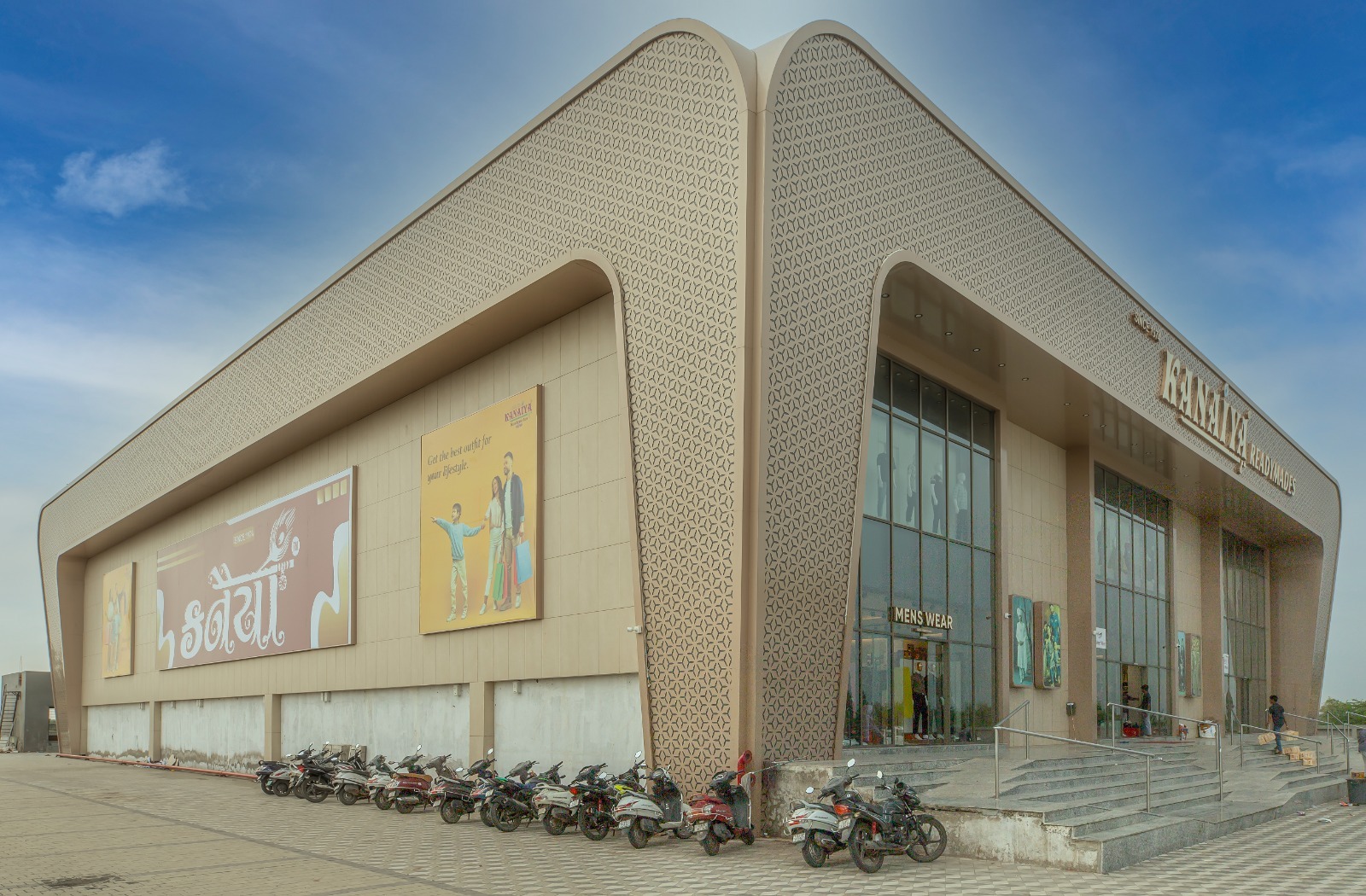
en
en
 Spanish
 Arabic
 Swahili
 French


Why Aluminium ACP Sheets Are Dominating Modern Architecture
Drive through any growing Indian city in 2026—Mumbai, Ahmedabad, Delhi, Bengaluru—and you’ll notice one thing instantly.
Buildings look sharper. Sleeker. More refined.
That transformation is not accidental. It’s largely powered by Aluminium ACP Sheets.
Architects want lightweight facadematerials that look premium. Developers need durable solutions that survive Indian heat, rain, dust, and pollution. Fabricators demand ease of installation. And dealers want products that sell themselves.
An aluminium ACP sheet checks all those boxes.
But here’s the catch — not all ACP sheets are the same. The type, coating, thickness, core material, and application matter tremendously.
In this detailed 2026 guide, we’ll break down:
● Types of ACP sheets
● Benefits that matter in real projects
● Exterior and interior applications
● PVDF vs PE coating comparison
● A practical buying guide
● Common mistakes to avoid
What Is an Aluminium ACP Sheet?
An Aluminium Composite Panel (ACP) is a flat panel made of:
● Two thin aluminium sheets
● Bonded to a non-aluminium core (mineral-filled or polyethylene)
This sandwich structure creates a panel that is:
● Lightweight
● Rigid
● Durable
● Easy to fabricate
It has become one of the most preferred exterior facadematerials and interior cladding solutions across commercial and residential projects.
Types of Aluminium ACP Sheets (2026 Updated Classification)
Choosing the right ACP sheet depends on application. Here are the main types:
1. Fire-Retardant ACP (FR Grade)
Fire safety is no longer optional — especially for high-rise buildings, hospitals, airports, and commercial complexes.
Fire-retardant ACP contains a mineral-filled core that resists flame spread and reduces smoke emission.
Best for:
● High-rise buildings
● Commercial towers
● Educational institutions
● Metro stations & public infrastructure
In many projects today, FR grade ACP is mandatory under building safety norms.
2. PVDF Coated ACP Sheet
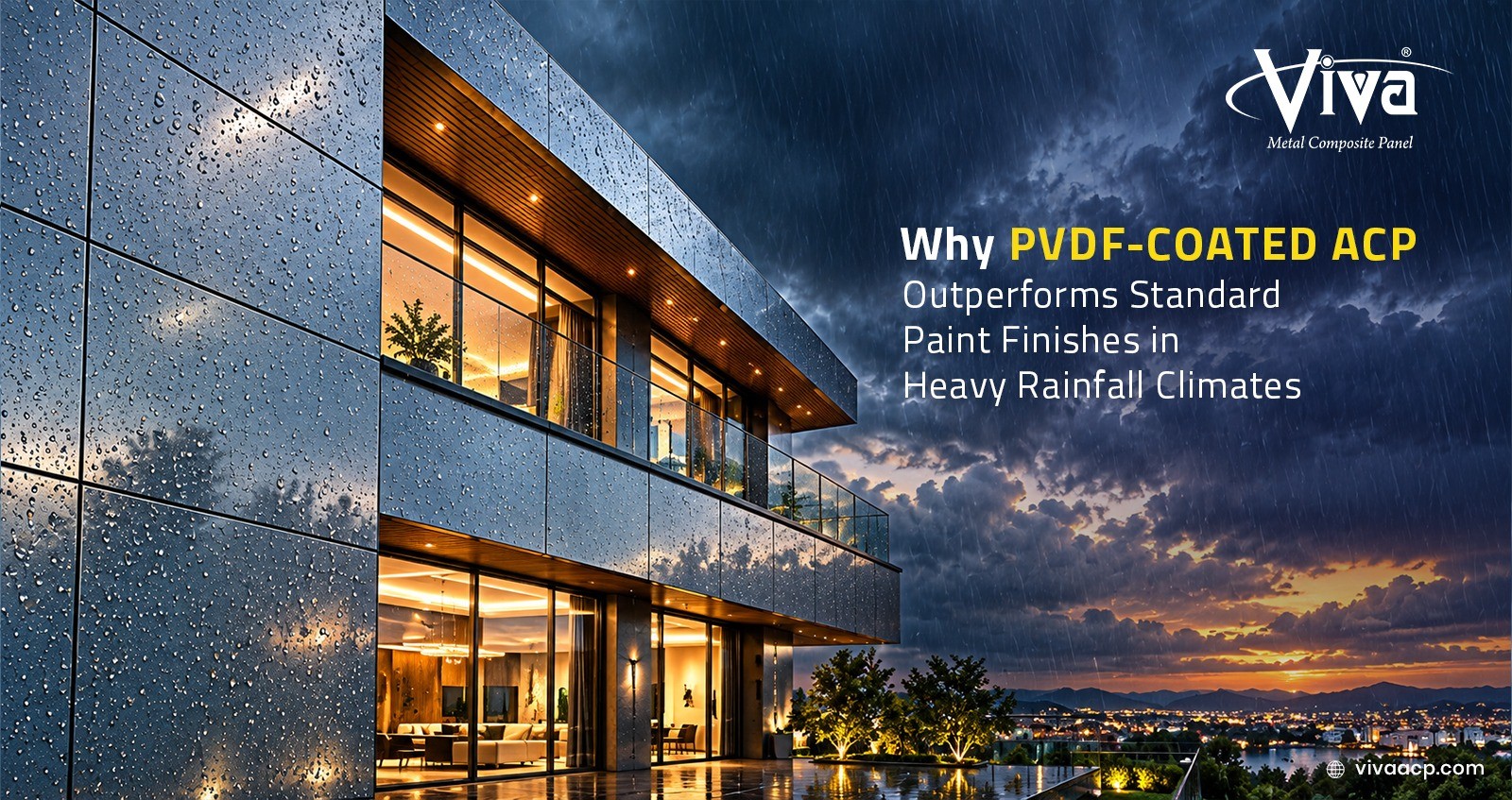
PVDF (Polyvinylidene Fluoride) coating offers superior weather resistance.
Ideal for exterior applications, PVDF-coated ACP sheets resist:
● UV rays
● Colour fading
● Acid rain
● Pollution
● Extreme heat
In Indian climate conditions - 45°C summers and heavy monsoons - PVDF ACP performs exceptionally well.
If you’re designing facadeelevations, this is usually the safest choice.
3. PE Coating ACP Sheet
PE (Polyester) coating is suitable for interior applications.
It offers:
● Smooth finish
● Wide color options
● Cost-effectiveness
Best for:
● Interior wall cladding
● False ceilings
● Signage
● Retail interiors
However, PE-coated ACP is not recommended for long-term exterior exposure.
4. Wooden & Marble Finish ACP
These decorative aluminium composite panels replicate:
● Natural wood grains
● Stone textures
● Metallic finishes
They provide aesthetics without the maintenance headache of natural materials.
Key Benefits of Aluminium ACP Sheets
Let’s move beyond theory. Here’s why architects and developers consistently prefer ACP sheets.
1. Lightweight Yet Strong
Compared to solid aluminium sheets, ACP panels are lighter but structurally stable.
This reduces:
● Structural load
● Transportation cost
● Installation time
2. Exceptional Weather Resistance
In Indian conditions, materials face:
● Intense UV exposure
● High humidity
● Coastal corrosion
● Dust storms
A high-quality aluminium ACP sheet with PVDF coating maintains its colour and performance for years.
3. Fire Safety Options Available
Modern projects increasingly specify fire-retardant ACP to comply with safety norms.
It enhances occupant safety and project credibility.
4. Design Flexibility
ACP sheets can be:
● Bent
● Cut
● Grooved
● Folded
● CNC-routed
This gives architects freedom to create curved facades and unique elevation concepts.
5. Green Building Relevance
ACP panels support sustainable construction:
● Recyclable aluminium layers
● Energy-efficient facades
● Reduced structural load
They align well with IGBC and green building initiatives.
Applications of Aluminium ACP Sheets
Exterior Applications
● Commercial building facades
● Corporate offices
● Showrooms
● Hospitals
● Airports
● Petrol pumps
ACP cladding creates a clean, modern elevation while protecting the building envelope.
Interior Applications
● Lobby wall panels
● Lift cladding
● Ceiling panels
● Modular partitions
● Retail store interiors
Decorative ACP panels bring uniformity and sophistication.
PVDF vs PE Coating: What Should You Choose?
| Feature | PVDF ACP Sheet | PE ACP Sheet |
|---|---|---|
| Application | Exterior | Interior |
| UV Resistance | Excellent | Moderate |
| Weather Durability | High | Low (Outdoor) |
| Cost | Higher | Lower |
| Lifespan | Long-term | Shorter (Exterior use not recommended) |
Quick Rule:
Exterior facade→ Choose PVDF
Interior design → Choose PE
Buying Guide: How to Choose the Right Aluminium ACP Sheet
Making the wrong choice can cost lakhs in rework. Here’s a smart checklist:
1. Define the Application
Exterior or interior?
High-rise or low-rise?
Commercial or residential?
2. Check Core Type
For high-rise buildings, always prefer fire-retardant ACP.
3. Confirm Coating Type
Exterior projects must use PVDF coating.
Never compromise here.
4. Verify Thickness
Common thickness options:
● 3mm
● 4mm
For exterior facades, 4mm is typically preferred.
5. Evaluate Brand Credibility
Choose a manufacturer with:
● PAN-India presence
● Strong dealer network
● Consistent quality
● Technical support
Premium brands like VIVA ACP focus on innovation, finish quality, and long-term durability.
(Internal linking suggestion: You can link this section to “Fire-Retardant ACP Sheet Range” and “Exterior ACP Cladding Solutions” pages.)
Common Mistakes to Avoid
Even experienced builders sometimes make these errors:
1. Using PE-coated ACP for exterior facades
2. Ignoring fire-safety grade in high-rise projects
3. Choosing lowest price over certified quality
4. Not checking warranty terms
5. Poor installation practices
Remember — material quality and installation both determine performance.
Conclusion: Why Aluminium ACP Sheets Are the Future of FacadeDesign
In 2026, architecture demands more than beauty.
It demands:
● Safety
● Durability
● Design freedom
● Climate resilience
● Sustainability
An Aluminium ACP Sheet delivers all of this — when chosen correctly.
For architects and developers, it’s not just about cladding. It’s about building long-term value.
If you're planning a facadeproject, retail showroom, corporate building, or interior upgrade, choosing the right ACP partner makes all the difference.
Frequently Asked Questions (FAQs)
What is the standard thickness of aluminium ACP sheet for exterior use?
For exterior wall cladding, 4mm thickness with PVDF coating is commonly recommended for durability and structural stability.
2. Is fire-retardant ACP mandatory in India?
For many commercial and high-rise buildings, fire-retardant ACP is recommended or required as per safety guidelines. Always check local regulations.
3. What is the lifespan of a PVDF ACP sheet?
A high-quality PVDF ACP sheet can last 10–15+ years depending on environmental conditions and maintenance.
4. Can ACP sheets be used for interior design?
Yes. PE-coated ACP sheets are widely used for ceilings, partitions, signage, and decorative interiors.
5. Are aluminium composite panels environmentally friendly?
Yes. Aluminium layers are recyclable, and ACP panels support sustainable facade systems when sourced from responsible manufacturers.
POPULAR POSTS
CATEGORIES
- Aluminium Compsoite panel 52
- ACP Sheet 170
- ACP Facade 9
- Copper Aluminium Sheet 1
- Fire Safety For Buildings 3
- ACP Cladding 14
- Colour Coated Aluminium Coil 2
- Aluminium Corrugated Composite Panel 1
- Facades 7
- Aluminium Honeycomb Panel 6
- Fire Retardant 8
- Zinc Composite Panel 4
- Corten Steel Series 1
- Metal Abstract Series 3
- Wooden ACP Sheet 1
- HPL Sheet 3
- Viva ACP Colour Coating 1
- Wall Cladding 2
- Applications of ACP Panel 1
- Viva ACP 14
- ACP Sheets for Architectural Projects 3
- PVDF vs Polyester 3
- ACP Sheets For Showroom 1
- Viva ACP on International Market 1
- Viva royal club app 1
- ACP Sheets for Branding Corporates 1
- Shades of Santa Fe 1
- Al Zinc Series 1
- ACP Sheet Sizes and Thicknesses 1
- Louvers and Baffles 1
- Sustainable Facades 1
ARCHIVES
Published by VIVA — Asia's Largest Manufacturer of Aluminium Composite Panels. 15M sq.mt capacity | 500+ shades | Thomas Bell-Wright FR A2+ Certified