ACP vs FR A2 vs FR B1 Fire Rating — Which Cladding Material is Right?
Fire-rated ACP panels come in two primary grades — FR A2 (non-combustible aluminium corrugated core) and FR B1 (limited combustibility mineral core). The National Building Code 2016 mandates specific fire ratings based on building height and usage type. Understanding the difference is critical for compliance, safety, and cost optimisation.
4ACP Wins
VS
0FR A2 vs FR B1 Fire Rating Wins
4Tie
Enquiry Form
Detailed Comparison: ACP vs FR A2 vs FR B1 Fire Rating
Parameter
ACP (VIVA)
FR A2 vs FR B1 Fire Rating
Winner
Fire Classification
EN 13501-1 Class A2-s1,d0
EN 13501-1 Class B-s1,d0
ACP ✓
Core Material
Aluminium Corrugated Core (ACCP)
Mineral-filled FR Core
ACP ✓
Combustibility
Non-combustible core
Limited combustibility
ACP ✓
Cost Range
₹160-350/sq.ft
₹110-250/sq.ft
Tie
NBC Requirement
Mandatory above 15m (NBC 2016)
Acceptable for buildings under 15m
Tie
Certification
Thomas Bell-Wright certified
EN 13501-1 tested
ACP ✓
Weight per sqm
7-8 kg/sqm
6-7 kg/sqm
Tie
Target Applications
High-rise, hospitals, airports, petrol pumps
Low-rise commercial, residential
Tie
When to Choose ACP Over FR A2 vs FR B1 Fire Rating
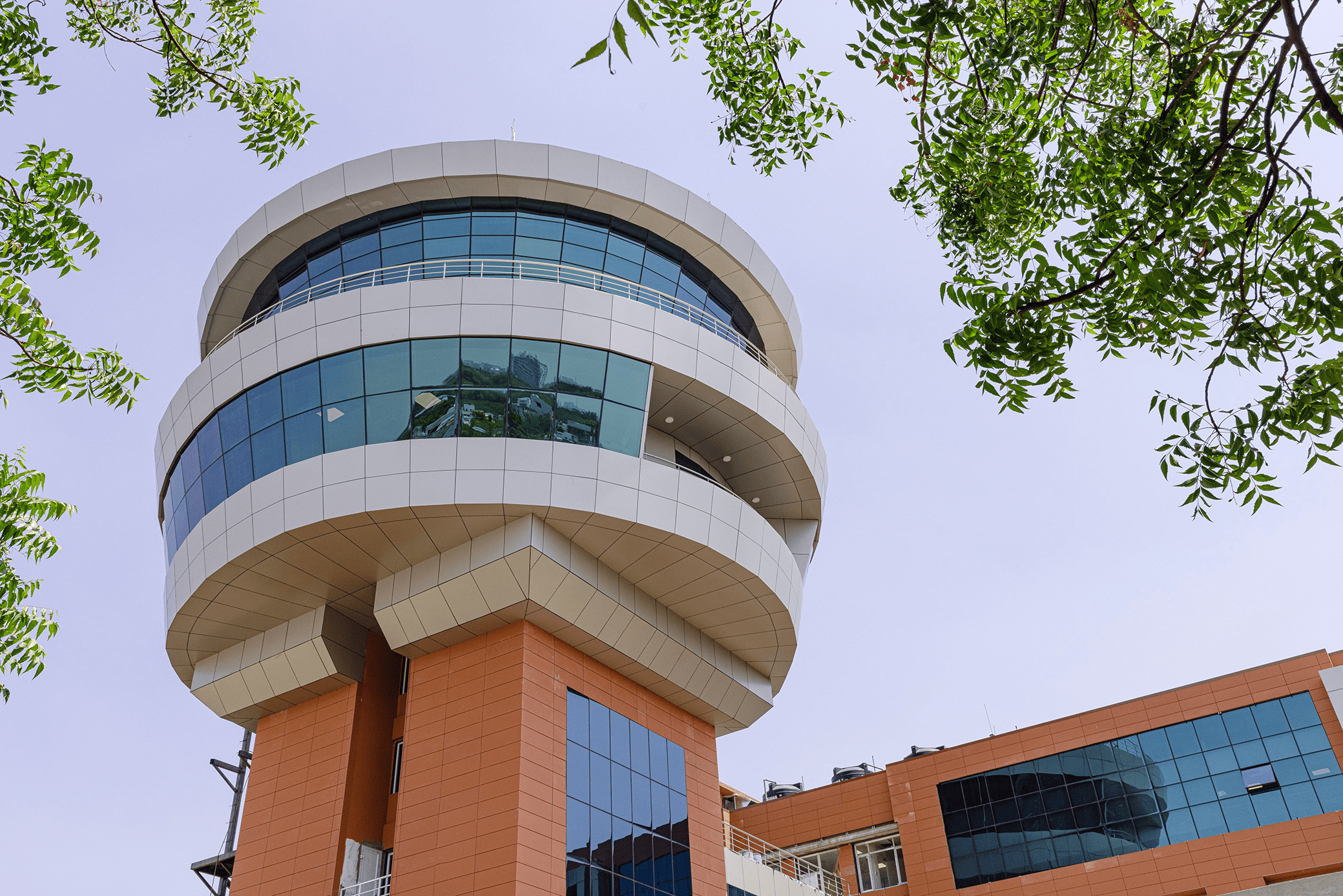
FR A2+ (ACCP) is mandatory for buildings above 15 meters as per National Building Code 2016, all hospitals and healthcare facilities, airports and transport terminals, petrol pumps and fuel stations, and any project requiring non-combustible facade material. VIVA's FR A2+ ACCP is the first Thomas Bell-Wright certified panel in India.
When FR A2 vs FR B1 Fire Rating Might Be Better
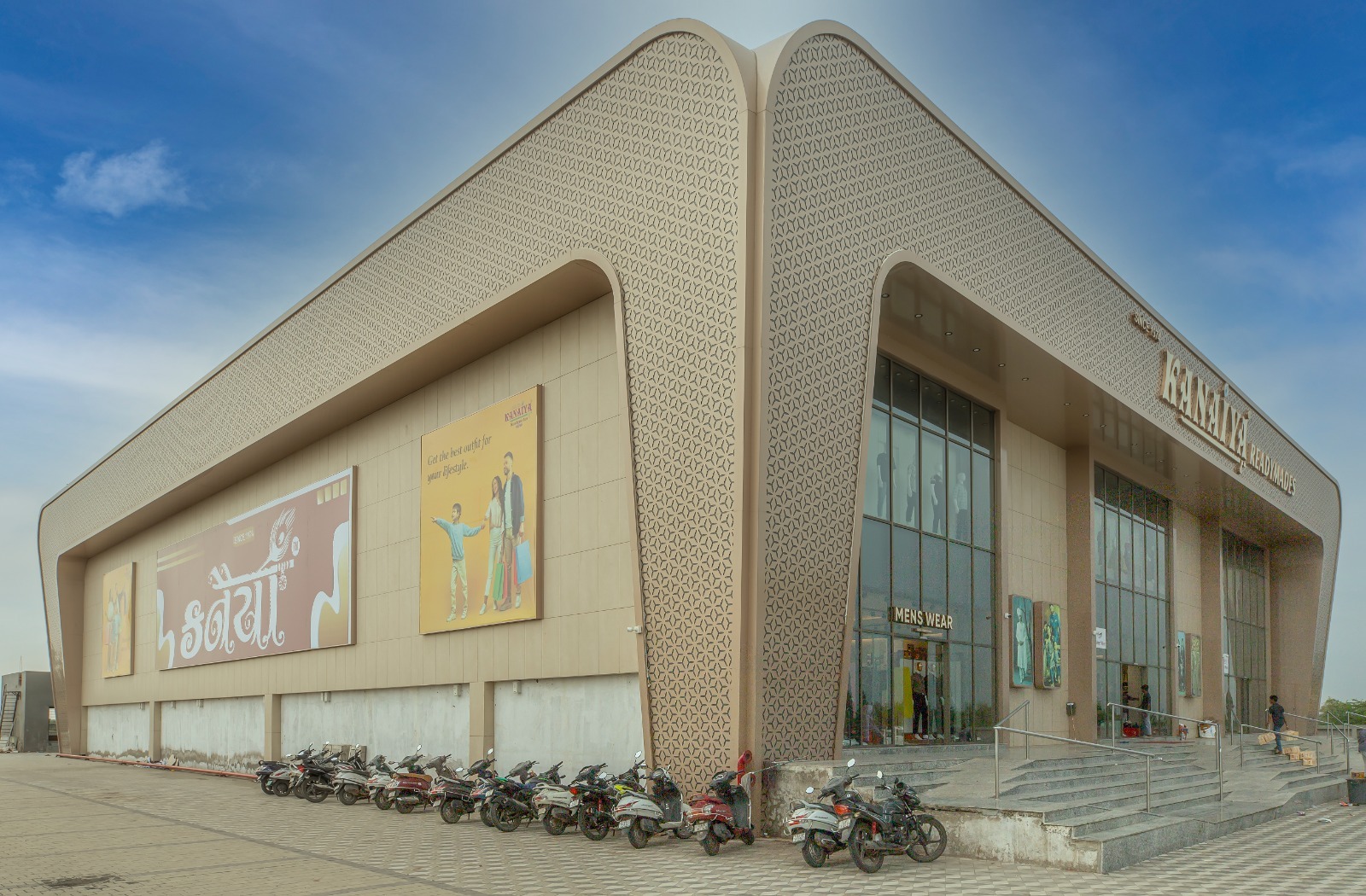
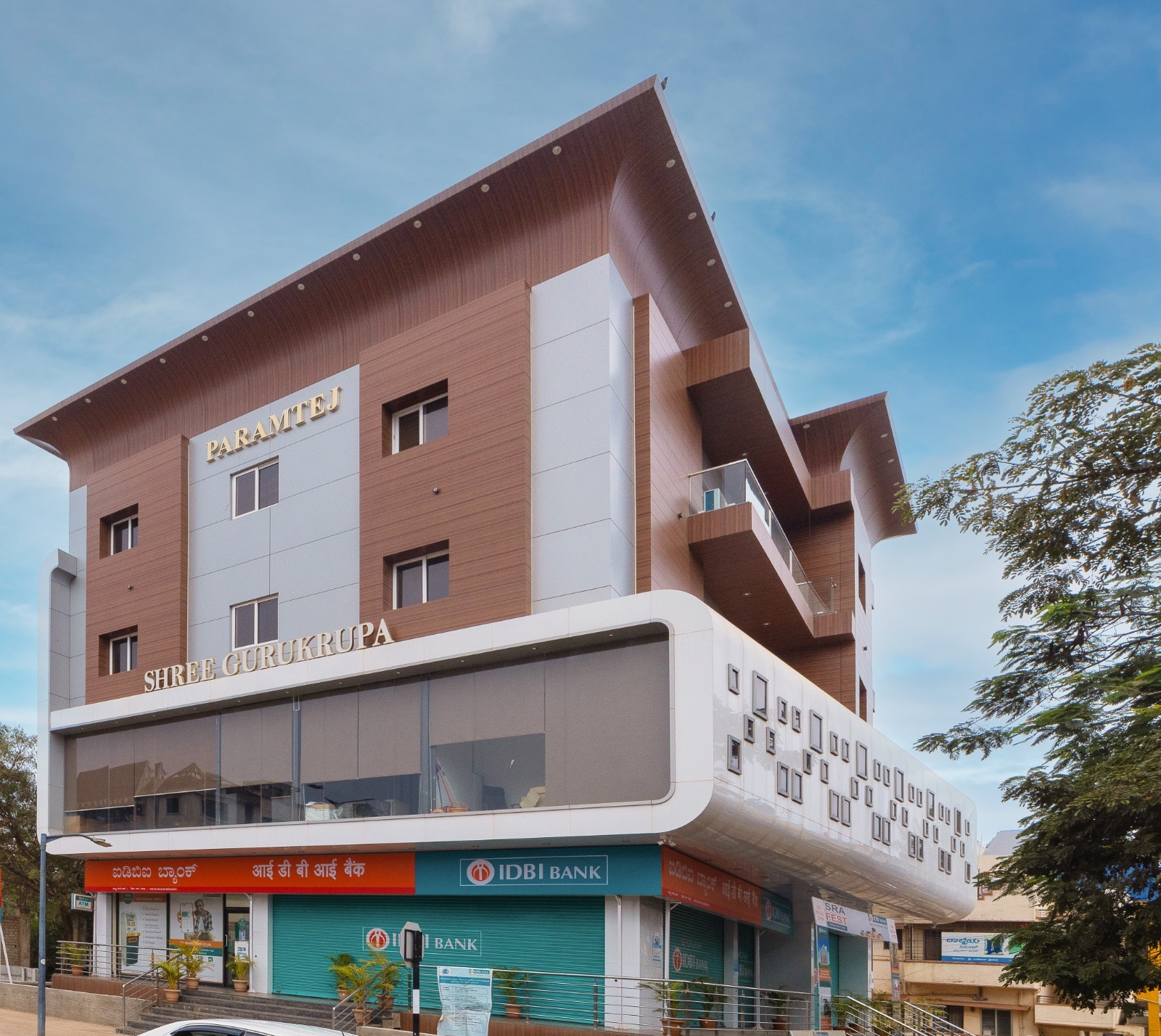
FR B1 is acceptable and cost-effective for buildings under 15 meters, low-rise commercial and residential facades, showrooms, retail stores, and ground-floor applications where NBC does not mandate A2 grade.
Expert Verdict
Both FR A2+ ACCP and FR B1 panels are manufactured by VIVA. The choice is regulatory — FR A2+ for buildings above 15m and critical infrastructure, FR B1 for low-rise buildings. VIVA is the only Indian manufacturer offering both with complete EN 13501-1 testing and Thomas Bell-Wright certification. Consult your local fire officer and NBC requirements for your specific project.


 en
en
 Spanish
 Arabic
 Swahili
 French

