en
en
 Spanish
 Arabic
 Swahili
 French


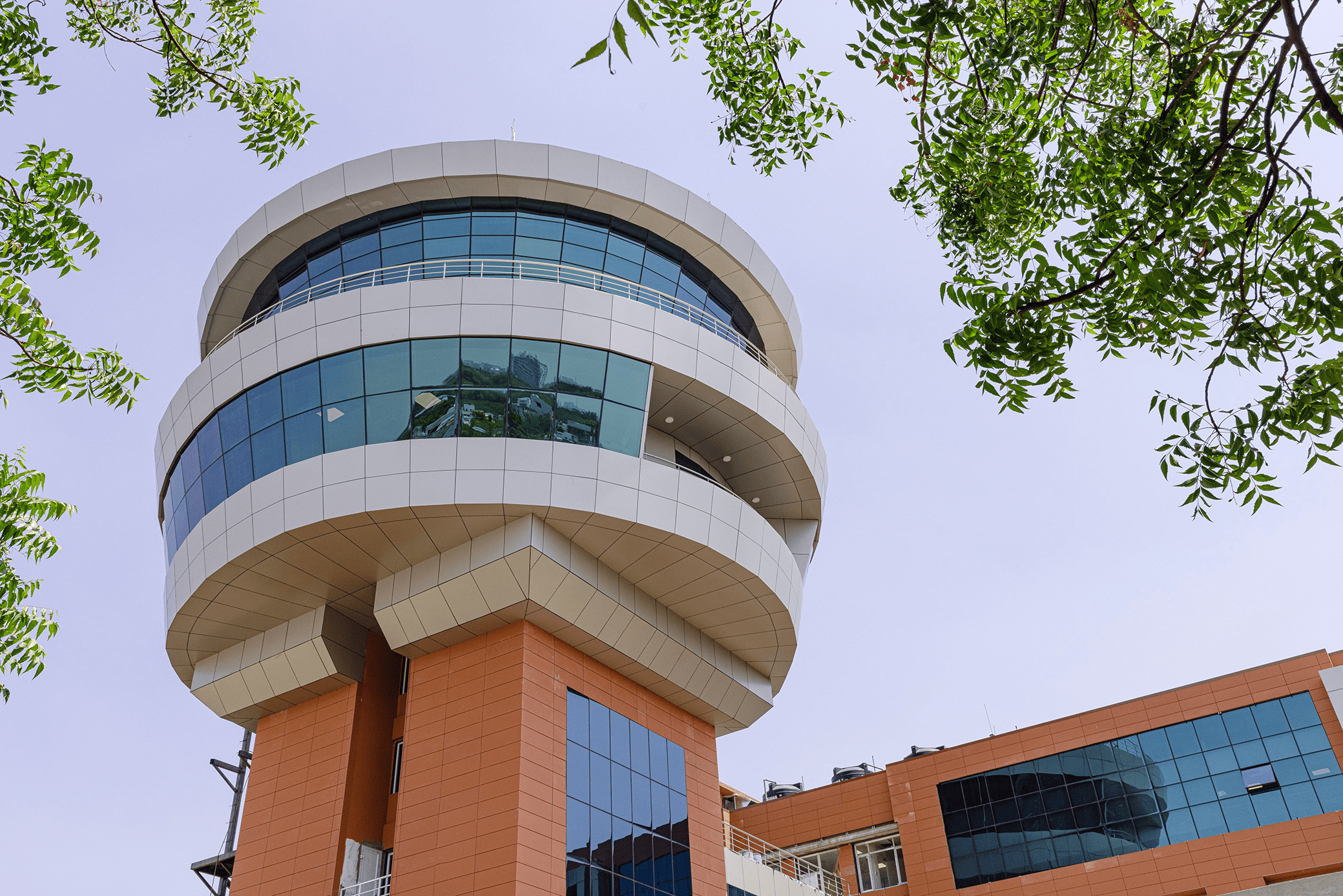
High-rise buildings present unique engineering and design challenges. Every material used in their construction must be carefully evaluated for weight, strength, fire safety, weather resistance, and long-term maintenance. Aluminium Composite Panels (ACP) have emerged as the material of choice for high-rise building facades around the world — and for good reason.
From iconic skyscrapers in Mumbai to modern commercial towers across India, aluminium panels have redefined the skyline. In this blog, Viva ACP explores the key reasons why ACP sheets are ideal for high-rise construction projects.
1. Lightweight Without Compromising Strength
One of the most critical considerations for high-rise buildings is the weight of facade materials. Every kilogram added to the exterior impacts the structural design, foundation requirements, and overall construction cost. ACP sheets offer an outstanding strength-to-weight ratio — they are significantly lighter than stone, concrete, glass, or solid aluminium.
A standard 4mm ACP sheet weighs just 5–6 kg per square metre, compared to 25–35 kg for stone cladding of similar thickness. This drastically reduces the load on the building's structure, allowing architects to design taller, more slender structures without compromising safety or aesthetics.
• 4mm ACP weight: approximately 5–6 kg/m²
• Stone cladding weight: approximately 25–35 kg/m²
• ACP reduces facade load by up to 80% compared to stone
2. Excellent Wind and Weather Resistance
At great heights, buildings are exposed to intense wind loads, UV radiation, heavy rain, and temperature fluctuations. ACP sheets are engineered to withstand these extreme conditions. The aluminium skin is naturally corrosion-resistant, while the PVDF coating provides an additional shield against UV rays, pollutants, acid rain, and moisture.
Properly installed ACP facades with high-quality joinery systems can handle wind speeds exceeding 200 km/h — making them suitable for high-rise buildings in storm-prone coastal cities.
3. Fire Safety with FR and A2 Core Panels
Fire safety is paramount in high-rise buildings, especially above the 18-metre threshold where most international building codes impose strict regulations. Standard PE core ACP panels are not suitable for high-rise exteriors. However, FR (Fire-Retardant) and A2 core ACP sheets are specifically designed to meet these safety requirements.
FR core ACP panels achieve a B1 (flame retardant) classification, while A2 core panels achieve near non-combustible status. These panels significantly limit the spread of fire on building facades — a lesson the construction industry has learnt from global high-profile fire incidents in recent years.
4. Versatile Design and Aesthetic Freedom
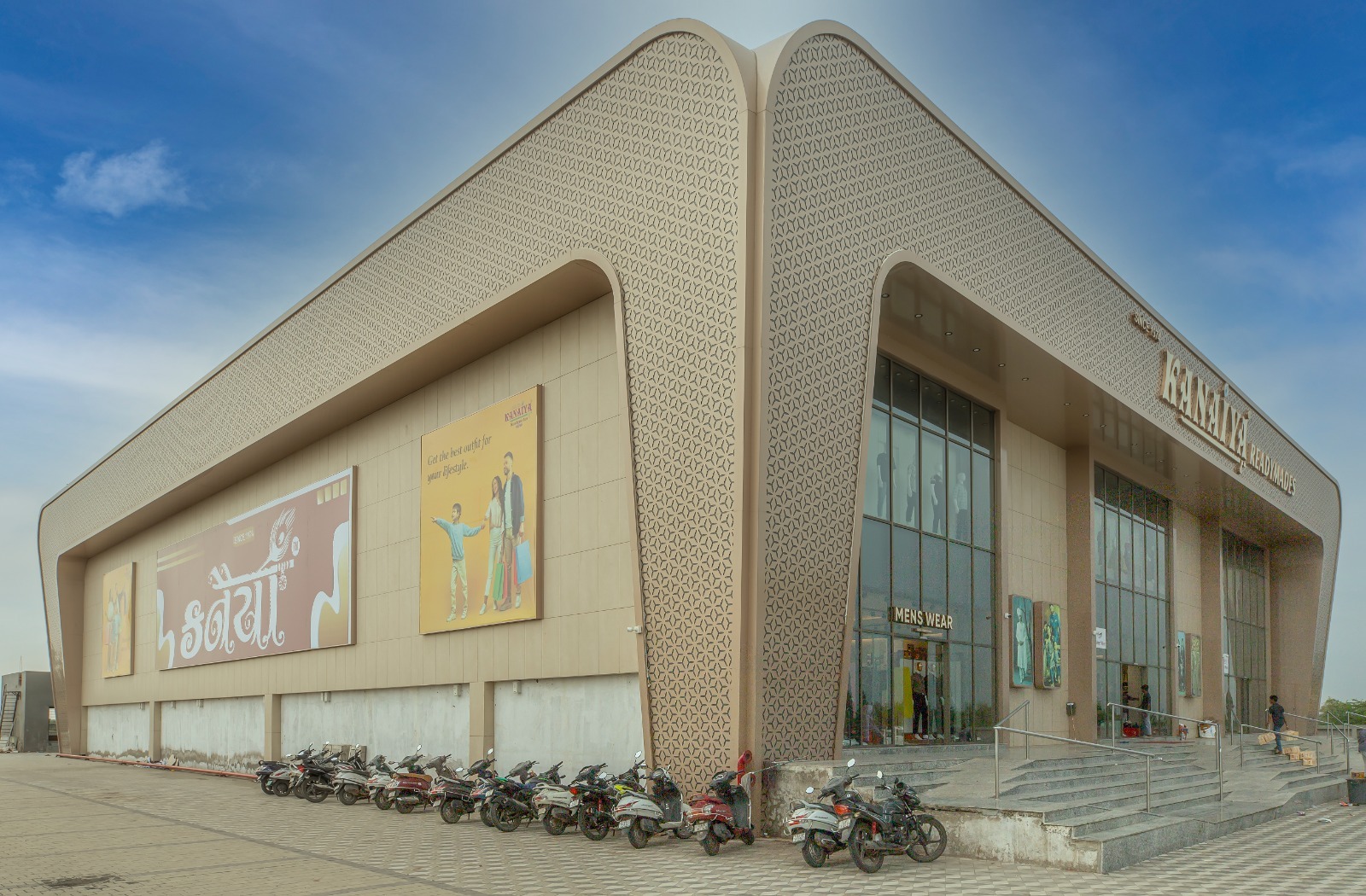
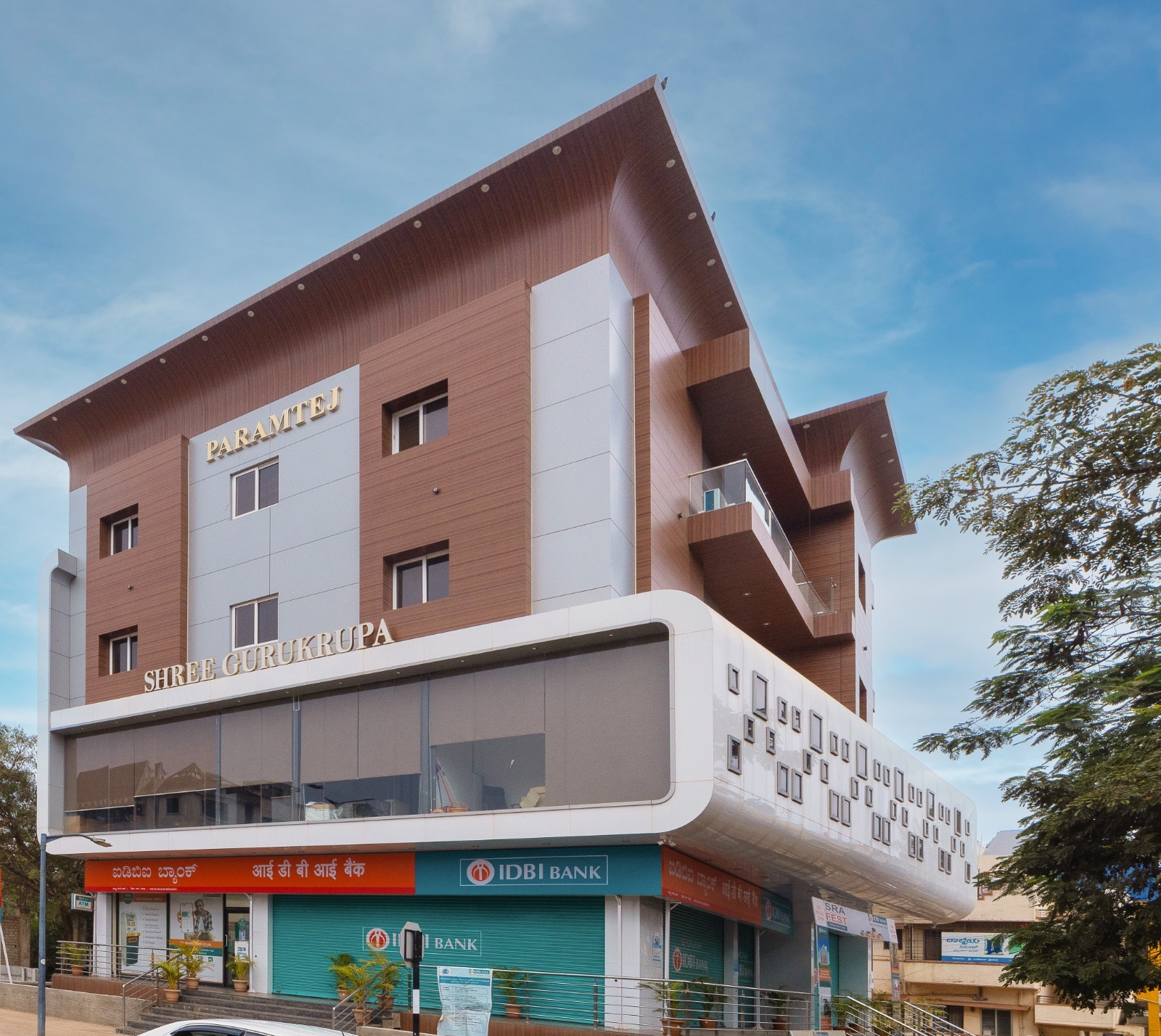
High-rise buildings often serve as landmarks and define city skylines. Architects need materials that allow creative freedom while meeting functional requirements. ACP sheets provide exactly that — they are available in hundreds of colours, textures, and finishes including metallic, wood, stone, brushed, and mirror effects.
Complex curved facades, geometric patterns, and seamless joints are all achievable with ACP panels. This makes them a favourite among architects who want to create visually striking high-rises that stand out.
5. Ease of Installation at Height
Installing facade materials at great heights involves significant safety risks and logistical challenges. The lightweight nature of ACP sheets makes them easier to handle, transport on scaffolding, and install at elevation. Panels can be pre-fabricated at ground level, cut to precise dimensions, and fixed using a cassette or dry-fix system — reducing on-site labour, time, and cost.
6. Thermal and Acoustic Insulation
The sandwich construction of ACP sheets provides a natural thermal and acoustic barrier. In high-rise residential buildings, this translates to better indoor comfort, reduced noise from wind and urban environments, and lower energy consumption for heating and cooling. Combined with appropriate insulation layers in the facade system, ACP can significantly contribute to a building's energy efficiency rating.
ACP vs Other Facade Materials for High-Rise Buildings
| Property | ACP Sheets | Glass | Stone Cladding | Brick |
|---|---|---|---|---|
| Weight (kg/m²) | 5–6 | 25–30 | 25–35 | 40–60 |
| Fire Safety (FR/A2) | Yes | Yes | Yes | Yes |
| Design Flexibility | Very High | High | Moderate | Low |
| Installation Ease | High | Moderate | Low | Low |
| Cost | Low–Moderate | High | High | Moderate |
| Maintenance | Low | High (cleaning) | Moderate | Low |
| Weather Resistance | Excellent | Good | Good | Moderate |
7. Low Maintenance for Long-Term Performance
Maintaining a high-rise facade is expensive and logistically complex, requiring rope access technicians or cradle systems for cleaning and repairs. ACP sheets offer a significant advantage here — their smooth, non-porous surface repels dirt and can be cleaned easily with mild detergent and water. PVDF-coated ACP panels retain their appearance for 15–25 years with minimal intervention.
Why Viva ACP for High-Rise Projects?
Viva ACP supplies FR and A2 core ACP panels that meet the stringent requirements of high-rise building codes. Our panels are available in premium PVDF finishes with a proven track record on commercial towers, corporate campuses, and institutional buildings across India. We work closely with architects, contractors, and builders to provide the right product specification and technical support for every project.
Frequently Asked Questions (FAQs)
Q1. Which ACP core type is mandatory for high-rise buildings?
For buildings above 18 metres (typically 6 floors and above), most building codes require FR (Fire-Retardant) or A2 (near non-combustible) core ACP sheets. PE core ACP is not recommended for high-rise exterior facades due to its combustibility.
Q2. How are ACP sheets installed on tall buildings?
ACP sheets on high-rise facades are typically installed using a cassette system or a dry-fix aluminium sub-frame. Panels are prefabricated and fixed to the sub-structure using rivets or mechanical fasteners, ensuring a rigid and weather-tight assembly.
Q3. Can ACP facades withstand tropical cyclones?
Yes, when properly designed and installed, ACP facade systems can withstand very high wind loads. The structural design of the sub-frame and fixing system must be engineered to local wind speed requirements, which Viva ACP's technical team can assist with.
Q4. Do ACP sheets require any special maintenance on high-rises?
ACP sheets require minimal maintenance. Periodic washing with a mild detergent using the building's cradle or water-fed pole system is usually sufficient to keep the facade looking fresh. PVDF-coated panels need cleaning much less frequently than glass.
Q5. How do I know if Viva ACP sheets comply with building codes for my project?
Our FR and A2 core ACP sheets come with test certificates for fire performance ratings. You can contact our team at vivaacp.com to get the relevant compliance documentation and specifications for your specific project requirements.
POPULAR POSTS
CATEGORIES
- Aluminium Compsoite panel 52
- ACP Sheet 170
- ACP Facade 9
- Copper Aluminium Sheet 1
- Fire Safety For Buildings 3
- ACP Cladding 14
- Colour Coated Aluminium Coil 2
- Aluminium Corrugated Composite Panel 1
- Facades 7
- Aluminium Honeycomb Panel 6
- Fire Retardant 8
- Zinc Composite Panel 4
- Corten Steel Series 1
- Metal Abstract Series 3
- Wooden ACP Sheet 1
- HPL Sheet 3
- Viva ACP Colour Coating 1
- Wall Cladding 2
- Applications of ACP Panel 1
- Viva ACP 14
- ACP Sheets for Architectural Projects 3
- PVDF vs Polyester 3
- ACP Sheets For Showroom 1
- Viva ACP on International Market 1
- Viva royal club app 1
- ACP Sheets for Branding Corporates 1
- Shades of Santa Fe 1
- Al Zinc Series 1
- ACP Sheet Sizes and Thicknesses 1
- Louvers and Baffles 1
- Sustainable Facades 1
ARCHIVES
Published by VIVA — Asia's Largest Manufacturer of Aluminium Composite Panels. 15M sq.mt capacity | 500+ shades | Thomas Bell-Wright FR A2+ Certified