en
en
 Spanish
 Arabic
 Swahili
 French


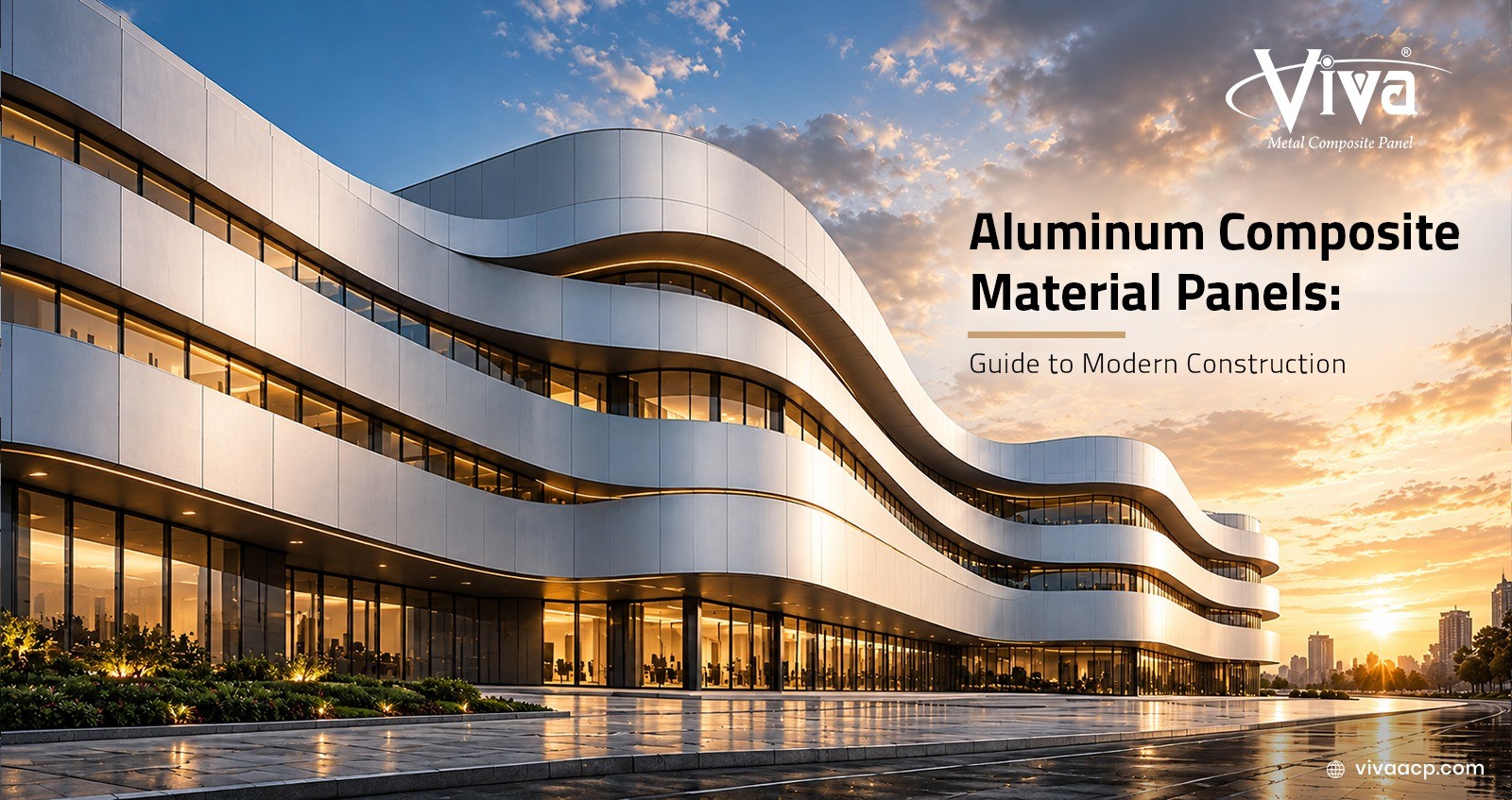
If you've driven past a new
office building, retail store, or apartment complex recently, chances are
you've seen aluminum composite material panels without even realizing it.
Smooth, evenly colored, and remarkably crisp at the edges, these panels have quietly
become one of the most widely used exterior finishes in American commercial and
residential construction. From downtown high-rises to suburban strip malls, ACM
has changed the way buildings look — and the way builders think about exterior
walls.
This guide walks through what
aluminum composite material actually is, why it has become such a popular
choice across the construction industry, where it shows up on real projects,
and what to keep in mind if you're considering it for your next build. Demand
for ACM has grown especially fast in markets like New York, New Jersey,
Florida, Atlanta, and North Carolina, where builders are increasingly
specifying it on everything from urban infill projects to suburban commercial
centers.
What Is Aluminum Composite Material?
Aluminum composite material,
commonly shortened to ACM, is a flat panel built from three layers. Two thin
sheets of aluminum form the outer skins, and between them sits a core material
— usually a type of polyethylene, or in fire-rated versions, a mineral-based
compound. This sandwich construction is what gives ACM its defining combination
of strength and light weight.
The panels are manufactured in
large coil-fed production lines, where the aluminum skins are bonded to the
core under heat and pressure. The result is an extremely flat, rigid sheet that
can be cut, routed, folded, and shaped with standard fabrication tools —
something that sets it apart from many traditional building materials, which
are far more limited in how they can be worked.
ACM panels typically range from
about 3mm to 6mm in thickness, with the aluminum skins themselves measuring a
fraction of a millimeter. Despite being so thin, the composite structure gives
the panel impressive rigidity — strong enough to span significant distances on
a facade without excessive bowing or flexing.
Why ACM Has Become So Popular in Modern Construction
There isn't just one reason
architects and builders have gravitated toward aluminum composite material.
It's a combination of practical, financial, and design advantages that make it
hard to ignore.
Lightweight Without Sacrificing Strength
One of the most immediate
benefits of ACM is how little it weighs compared to materials like natural
stone, brick, or solid metal panels. A lighter facade material means less
structural load on the building, which can simplify engineering requirements and,
in some cases, reduce overall construction costs. It also makes handling and
installation considerably easier and safer for crews on site.
Design Flexibility
ACM panels can be cut into
custom shapes, curved for rounded facade sections, and finished in an enormous
range of colors, textures, and effects — from solid matte tones to brushed
metallics and wood-look finishes. This flexibility gives architects room to
create distinctive building exteriors without being boxed in by the limitations
of more rigid materials.
Fast, Straightforward Installation
Because the panels arrive
pre-fabricated and ready to mount, installation crews can move quickly compared
to labor-intensive materials like stone veneer or traditional masonry. This can
meaningfully shorten project timelines, which matters on commercial builds
where every week of delay adds cost.
Low Long-Term Maintenance
Once installed, ACM panels hold
up well against everyday wear. Quality panels resist fading, chalking, and
staining far better than many painted surfaces, which means building owners
spend less on repainting, patching, or replacing exterior finishes over the
years.
Cost-Effective Without Looking Cheap
Compared to premium materials
like natural stone or solid metal cladding, ACM delivers a high-end appearance
at a more accessible price point. For developers balancing budget against curb
appeal, that combination is often the deciding factor.
Where You'll Typically See ACM Panels
Aluminum composite material
shows up in more places than most people realize. Once you start noticing it,
you'll see it everywhere.
•
Commercial building facades. Office towers,
retail centers, and mixed-use developments frequently use ACM as a primary or
accent exterior material.
•
Storefronts and signage. The material's flat,
printable surface makes it a favorite for branded storefronts, channel letters,
and large-format signage.
•
Interior applications. ACM is also used indoors
— for column covers, feature walls, elevator lobbies, and reception areas —
where its clean finish and easy maintenance are equally valuable.
•
Canopies and architectural accents. Entrance
canopies, soffits, and decorative trim elements are commonly clad in ACM to tie
a building's design together.
•
Renovation and retrofit projects. Because it's
lightweight, ACM is often used to modernize the exterior of an older building
without the structural upgrades a heavier material might require.
Understanding ACM Core Types
Not all ACM panels are built the
same way, and the core material makes a real difference in how a panel performs
— particularly when it comes to fire safety.
•
Polyethylene (PE) core. This is the standard,
most widely available core type. It offers excellent workability and cost
efficiency, and is commonly used in signage and lower-risk applications.
•
Fire-retardant (FR) core. A modified core with
mineral fillers that slow the spread of flame, often specified for mid-rise
commercial buildings.
•
Non-combustible (A2 / mineral) core. Built with
a high mineral content and minimal combustible material, this core type is
typically required for high-rise buildings and other structures where fire
codes are strictest.
Choosing the right core isn't
just a technical detail — it's often dictated by your building's height,
occupancy type, and local code requirements. This is exactly why it's worth
having this conversation with your supplier early in the design process, rather
than after panels have already been ordered.
A Quick Note on Safety Standards
Like any exterior building
material, ACM panels are subject to fire-safety codes that vary depending on
the project, jurisdiction, and building height. In the United States, these
requirements are typically referenced through the International Building Code
and related fire-testing standards, and they can differ from state to state or
even city to city.
If you're planning a project,
it's worth talking to your supplier early about which panel type fits your
building's specific requirements. Getting this right at the design stage avoids
costly changes — or code compliance issues — later in construction. We'll be
covering these standards in more technical detail in a future guide.
ACM vs. Traditional Exterior Materials
It's worth understanding how ACM
stacks up against some of the more traditional materials it's increasingly
replacing on modern building exteriors.
•
Versus natural stone. Stone offers undeniable
prestige, but it's heavy, expensive, and slow to install. ACM can replicate a
similar visual effect at a fraction of the weight and cost, with far faster
installation.
•
Versus painted stucco or EIFS. Painted finishes
require regular upkeep and are prone to cracking and staining over time. ACM's
factory-applied coatings hold their color and finish far longer with minimal
maintenance.
•
Versus glass curtain wall. Glass offers
transparency and a modern look, but comes with higher costs and significant
thermal performance challenges. ACM is often used alongside glass to balance
aesthetics, budget, and energy efficiency.
•
Versus solid metal panels. Solid aluminum or
steel panels are heavier and typically more expensive to fabricate into complex
shapes. ACM offers similar visual appeal with easier handling and a broader
color palette.
What to Consider Before Choosing ACM for Your Project
If you're weighing ACM against
other exterior options, a few practical questions can help guide the decision:
•
What is your building's height and occupancy
classification? This will largely determine which core type is required by
code.
•
What look are you going for? ACM's finish
options range from understated solids to bold metallics and natural-material
replicas — knowing your design direction narrows the choice quickly.
•
What's your installation timeline? If speed
matters, ACM's straightforward fabrication and mounting process is a
significant advantage over labor-intensive alternatives.
•
What's your long-term maintenance budget? Factoring
in years of upkeep, rather than just the upfront material cost, often makes
ACM's value proposition even clearer.
Getting Started with ACM
If you're working with aluminum
composite material for the first time, the best first step is understanding
your project's basic needs — building type, height, occupancy, and the overall
look you're going for. From there, choosing the right panel, core type, and
finish becomes a much more straightforward conversation with your supplier or
fabricator.
As US construction continues to
favor materials that combine design flexibility with practical performance,
aluminum composite material panels are likely to remain a go-to choice for
architects and builders across nearly every building type — from small commercial
storefronts to large-scale mixed-use developments.
How ACM Panels Are Fabricated and Installed
Understanding the basic
fabrication and installation process can help set realistic expectations for
your project timeline and budget. ACM panels typically arrive at a fabrication
shop as large flat coil-cut sheets, where they're cut to the precise dimensions
called for in the building's facade drawings.
From there, panels may be routed
and folded to create clean, finished edges — a process known as return-edge
fabrication — which gives the panel a professional, seamless appearance once
mounted. For curved sections, panels can be pre-formed to match the building's
design before ever reaching the job site.
On site, panels are mounted onto
an engineered sub-frame system that's anchored to the building's structure.
This sub-frame creates a small air gap behind the panels, which helps with
drainage, ventilation, and thermal performance — a detail that's easy to
overlook but plays a meaningful role in the long-term performance of the
facade.
Common Questions Architects Ask Before Specifying ACM
A few questions come up
repeatedly during the design and specification process, and getting ahead of
them can save time later in the project.
•
Will the color match across all panels? Reputable
manufacturers batch-produce coil coatings to tight tolerances, but it's still
good practice to specify panels from the same production run for large facades
to avoid subtle color variation.
•
How does ACM perform in extreme weather? Quality
ACM panels are engineered to withstand wide temperature swings, high winds, and
heavy precipitation without warping or degrading, making them suitable for most
US climate zones.
•
Can ACM be used on both high-rise and low-rise
buildings? Yes, though the required core type will differ based on building
height and local fire code requirements.
•
What warranty should I expect? Most
manufacturers offer coating warranties in the 10 to 20 year range, though this
varies by product line and finish type.
The Growing Role of ACM in Sustainable Construction
As more US developers and
architects prioritize sustainability, ACM panels are increasingly recognized
for their role in environmentally responsible construction. Aluminum is one of
the most recyclable materials used in building construction, and many manufacturers
now offer panels with recycled aluminum content.
Beyond material recyclability,
ACM's light weight can also reduce the embodied energy involved in transporting
and installing facade materials compared to heavier alternatives like stone or
solid metal. For projects pursuing green building certifications, these factors
can contribute meaningfully to a project's overall sustainability profile.
Available Across the USA
Viva ACM panels are increasingly
specified on projects across the country, with a growing footprint in key
markets including New York, New Jersey, Florida, Atlanta, and North Carolina.
Whether you're working on a commercial development in a dense urban market like
New York and New Jersey, a coastal project in Florida, or a growing commercial
corridor in Atlanta or North Carolina, ACM panels offer a consistent, reliable
exterior solution suited to each region's specific climate and design demands.
Final Thoughts
Aluminum composite material has
earned its place as a staple of modern American construction by solving a
genuinely difficult problem: how to deliver a durable, visually striking
exterior without the weight, cost, and installation complexity of more traditional
materials. Whether you're planning a small commercial storefront or a large
mixed-use development, understanding the basics covered in this guide — core
types, fire safety considerations, and design flexibility — puts you in a
strong position to have a productive conversation with your architect,
fabricator, or supplier.
Frequently Asked Questions
Is ACM the same as ACP?
Yes. ACM (Aluminum Composite
Material) and ACP (Aluminum Composite Panel) refer to the same product. ACM is
the more commonly used term in the United States, while ACP is more widely used
in other parts of the world.
How long do ACM panels last?
With proper installation and a
quality coating, ACM panels can perform well for several decades, with many
manufacturers offering warranties in the range of 10 to 20 years on finish and
color retention. In the USA, this kind of longevity is a big part of why ACM
has become a standard choice across commercial and residential projects alike.
Can ACM panels be recycled?
Aluminum is highly recyclable,
and many ACM panels can be recycled at the end of their service life, making
them an increasingly attractive option for projects with sustainability goals.
Is ACM suitable for both new construction and renovations?
Yes. Its light weight and
straightforward installation make ACM a popular choice for both ground-up
construction and exterior renovation or re-cladding projects.
What's the difference between PE core and fire-rated (FR/A2) ACM panels?
PE (polyethylene) core panels
are the standard, most economical option, suited to signage and lower-risk
applications. FR and A2 core panels contain mineral fillers that slow or stop
the spread of flame, and are typically required by code for mid-rise and
high-rise buildings. Your building's height and occupancy classification will
generally determine which core type you need.
POPULAR POSTS
CATEGORIES
- Aluminium Compsoite panel 52
- ACP Sheet 170
- ACP Facade 9
- Copper Aluminium Sheet 1
- Fire Safety For Buildings 3
- ACP Cladding 14
- Colour Coated Aluminium Coil 2
- Aluminium Corrugated Composite Panel 1
- Facades 7
- Aluminium Honeycomb Panel 6
- Fire Retardant 8
- Zinc Composite Panel 4
- Corten Steel Series 1
- Metal Abstract Series 3
- Wooden ACP Sheet 1
- HPL Sheet 3
- Viva ACP Colour Coating 1
- Wall Cladding 2
- Applications of ACP Panel 1
- Viva ACP 14
- ACP Sheets for Architectural Projects 3
- PVDF vs Polyester 3
- ACP Sheets For Showroom 1
- Viva ACP on International Market 1
- Viva royal club app 1
- ACP Sheets for Branding Corporates 1
- Shades of Santa Fe 1
- Al Zinc Series 1
- ACP Sheet Sizes and Thicknesses 1
- Louvers and Baffles 1
- Sustainable Facades 1
ARCHIVES
Published by VIVA — Asia's Largest Manufacturer of Aluminium Composite Panels. 15M sq.mt capacity | 500+ shades | Thomas Bell-Wright FR A2+ Certified