en
en
 Spanish
 Arabic
 Swahili
 French


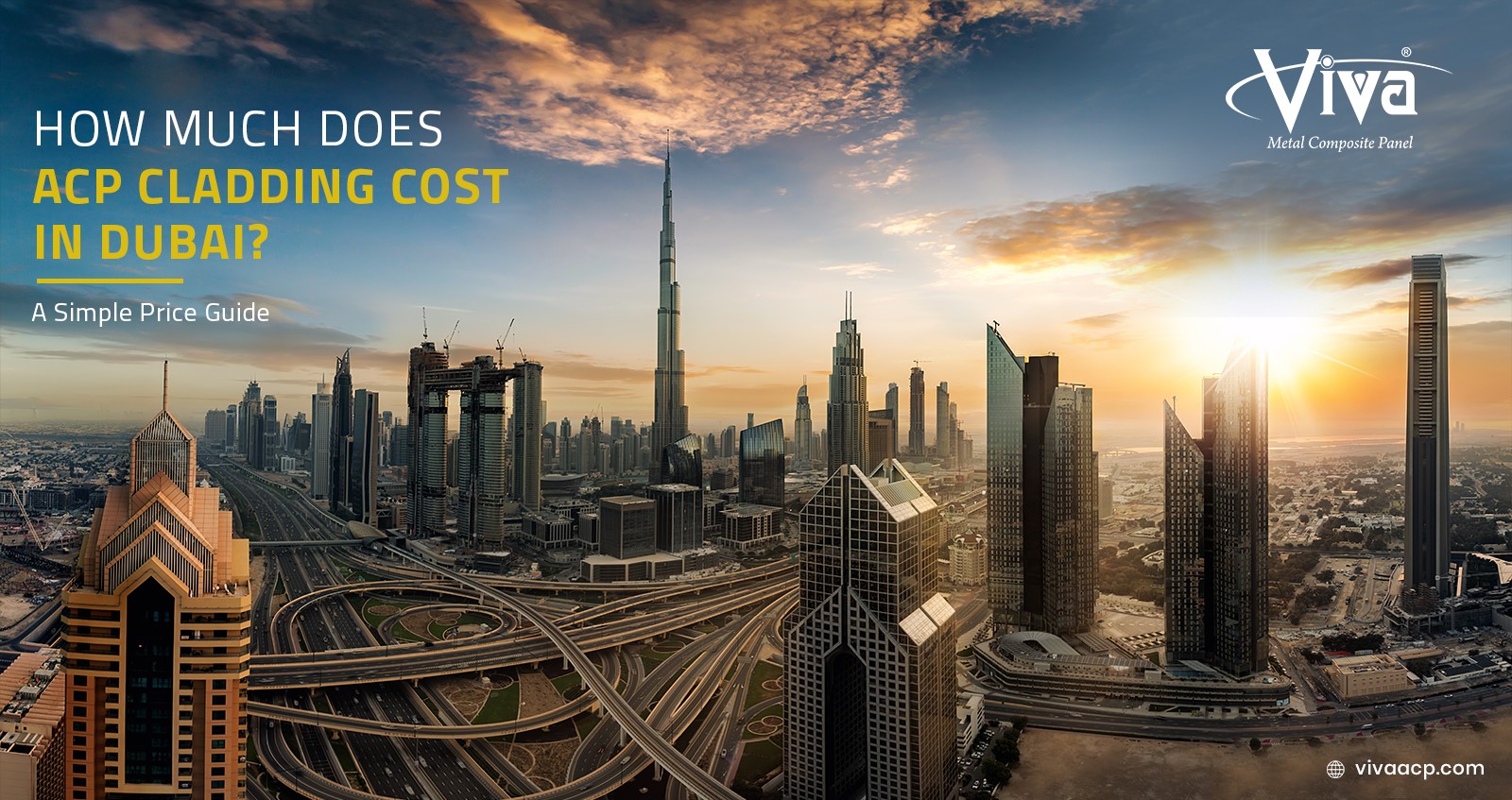
If you're planning to clad a
building in Dubai, one of the first questions you'll want answered is simple:
what's this actually going to cost? ACP cladding pricing can vary quite a bit
from one project to the next, and without understanding what drives that
variation, it's easy to end up either overpaying or under-speccing a project in
ways that cause problems later.
This guide walks through
everything that affects ACP cladding cost in Dubai, gives you a realistic sense
of what to expect, and shares a few practical tips so you're well prepared
before you start collecting quotes.
What Is ACP Cladding, Briefly
Aluminium Composite Panel (ACP)cladding is one of the most widely used exterior finishes across Dubai, Abu
Dhabi, and Sharjah. It consists of two thin aluminium sheets bonded to a core
material, mounted onto a building's exterior using an engineered sub-frame
system. The result is a lightweight, weather-resistant, and visually clean
facade that suits everything from small retail units to major commercial
towers.
Because it's used across such a
wide range of building types and budgets, ACP cladding pricing isn't a single
number — it's a range shaped by several factors, each of which we'll walk
through below.
What Affects ACP Cladding Cost in Dubai
1. Panel Type and Core Material
ACP panels come in different
core types, and the price reflects that difference directly. Standard
polyethylene-core panels are the most economical option, while fire-retardant
and non-combustible (A2) core panels cost more — largely because of the added
raw materials, more complex manufacturing process, and the testing and
certification involved.
It's worth noting that in the
UAE, building height and use directly determine which core type is required.
Buildings above certain heights are generally required to use fire-retardant or
non-combustible cores under UAE Civil Defence regulations, so this isn't purely
a budget decision — it's often a compliance one as well.
2. Panel Thickness
ACP panels are typically
available in 3mm and 4mm thicknesses, sometimes up to 6mm for specific
applications. Thicker panels cost more than thinner options, but they also tend
to offer better rigidity, durability, and a more premium feel underfoot and on
close inspection — something worth weighing against your budget, especially for
street-level facades where people interact closely with the material.
3. Finish and Color
Standard solid colors are
usually the most budget-friendly option, drawn from a manufacturer's existing
color range. Metallic finishes, wood-look textures, stone-effect finishes, and
fully custom colors typically come at a premium, both because of the more
complex coating process and smaller production runs.
4. Building Height and Design Complexity
A straightforward, low-rise
building with flat facades will cost meaningfully less to clad than a high-rise
with curves, angles, or intricate architectural detailing — both in material
wastage during fabrication and in the labor required for installation. Complex
geometries also often require more custom sub-frame engineering, which adds
further cost.
5. Installation and Fabrication
Cladding cost isn't just about
the panels themselves. Cutting, fabrication, sub-frame installation, and
skilled labor all factor into the final number — especially for larger or more
complex buildings, or projects that require scaffolding and access equipment
for taller structures.
6. Project Scale and Total Area
As with most construction
materials, larger projects generally achieve better per-square-meter pricing
due to bulk procurement and more efficient use of labor and equipment across a
bigger footprint. Small retail storefronts often pay a higher rate per square
meter than a full commercial tower simply because of this scale effect.
A Rough Idea of What to Expect
Because Dubai has such a wide
range of project types — from small retail storefronts and villa facades to
major commercial and residential towers — it's genuinely difficult to give one
number that fits everyone. Costs typically scale with:
•
Total facade area being clad
•
Panel and core specification required
•
Finish and color choice
•
Overall project design complexity
•
Site access and installation conditions
The best way to get an accurate
picture for your specific project is a quote based on your actual building —
its height, design, and location — rather than relying on a generic
per-square-meter estimate you might find online, which can be misleading once
your specific requirements are factored in.
Breaking Down Where the Money Goes
It helps to understand that an
ACP cladding quote typically covers several distinct cost components, not just
the panels themselves:
•
Panel material cost. The ACP sheets themselves,
priced according to core type, thickness, and finish.
•
Sub-frame and fixing systems. The aluminium
structural framework that panels are mounted onto, which varies in complexity
depending on the facade design.
•
Fabrication. Cutting, folding, and shaping
panels to the exact specifications of your building's design.
•
Installation labor. Skilled technicians to mount
the sub-frame and panels, often requiring scaffolding or specialized access
equipment for taller buildings.
•
Design and engineering. For complex facades,
structural calculations and custom detailing add to the overall project cost.
Understanding this breakdown
helps you compare quotes more meaningfully — two quotes with the same total
price might allocate costs very differently, which matters if you're trying to
negotiate or adjust scope.
Tips to Avoid Overpaying (or Under-Speccing)
•
Don't choose a panel purely on price. A cheaper
core that doesn't meet local fire safety requirements can cost far more to fix
later, including potential rework and compliance issues with UAE Civil Defence.
•
Ask for a clear breakdown between material cost and
installation cost. This helps you understand exactly what you're paying
for, and makes it easier to compare quotes from different suppliers on an
apples-to-apples basis.
•
Compare finishes side by side before committing. Some
premium-looking finishes cost less than expected, while some seemingly simple
ones carry a higher price due to production complexity.
•
Factor in long-term maintenance, not just
installation cost. A slightly higher upfront investment in a quality finish
often pays off through fewer repairs and less frequent facade maintenance over
the building's lifetime.
•
Confirm certifications upfront. Ask your
supplier for fire test certificates and compliance documentation before
finalizing your order, rather than discovering issues during inspection.
Common Mistakes to Avoid
A few missteps come up
repeatedly in ACP cladding projects across Dubai, and they're worth watching
out for:
•
Choosing the cheapest quote without checking core
type. Some low-cost quotes use standard PE-core panels on buildings that
require fire-retardant or A2-core panels, creating compliance risk down the
line.
•
Underestimating installation complexity. A quote
that looks attractive for the panels alone can end up costing more once
installation for a complex facade design is factored in.
•
Not accounting for design changes. Late-stage
design changes to a facade can significantly affect fabrication costs, so
locking in your design early helps keep budgets predictable.
Getting the Right Quote
The most reliable way to budget
for an ACP cladding project in Dubai is to talk to a supplier directly about
your building's size, height, design goals, and location. Providing detailed
drawings or renderings, where available, helps suppliers give you a far more
accurate quote than a rough area-based estimate.
That conversation — grounded in
your actual project specifics — is the only way to move from a rough estimate
to a number you can genuinely plan a budget around.
How ACP Cladding Costs Compare to Other Facade Materials in Dubai
Understanding where ACP sits
relative to other common facade materials in the UAE market can help you
evaluate whether it's the right fit for your project's budget and design goals.
•
Versus natural stone cladding. Stone facades
typically cost significantly more than ACP, both in material and installation,
due to their weight, slower installation process, and specialized labor
requirements.
•
Versus glass curtain wall systems. Full glass
facades generally carry a higher price tag than ACP and often come with greater
ongoing costs related to cleaning and thermal performance in Dubai's climate.
•
Versus painted render or plaster finishes. While
render systems may have a lower initial cost, they typically require more
frequent maintenance and repainting in Dubai's harsh sun and occasional heavy
rain, narrowing the cost gap over the building's lifetime.
•
Versus GRC (Glass Reinforced Concrete) panels. GRC
can offer intricate detailing but is heavier and often more expensive to
install than ACP for comparable facade areas.
For many project types —
particularly commercial buildings, retail developments, and mid-rise
residential towers — ACP offers one of the more balanced combinations of
upfront cost, installation speed, and long-term durability among these options.
How Project Timing Can Affect Cost
Construction demand in Dubai
fluctuates with the broader market cycle, and this can have a real impact on
ACP cladding pricing. During periods of high construction activity, material
lead times can lengthen and installation crews can be harder to book, which
sometimes pushes costs upward. Planning your procurement timeline with some
flexibility — and engaging suppliers early — can help you avoid premium pricing
tied to tight scheduling.
It's also worth noting that
aluminum, as a globally traded commodity, is subject to international price
fluctuations. Locking in pricing with your supplier once your specification is
finalized can help protect your budget from mid-project cost increases.
Questions to Ask Before Signing a Contract
Before finalizing your ACP
cladding contract, it's worth confirming a few key details with your supplier
or contractor:
•
What core type is being quoted, and does it meet the
requirements for my building's height? Get this confirmed in writing, not
just verbally.
•
What warranty applies to the panels and the
installation work? These are often two separate warranties covering
different aspects of the project.
•
What is the expected project timeline, from
fabrication through final installation? Understanding this helps you plan
around other construction milestones.
•
Are all necessary approvals and certifications
included in the quote? Confirm whether UAE Civil Defence documentation and
other compliance paperwork are part of the supplier's scope.
Final Thoughts
ACP cladding remains one of the
most practical and widely used facade solutions across Dubai precisely because
it offers a workable balance between cost, appearance, and performance. But as
this guide has outlined, the final price for your project depends on a
combination of factors specific to your building — core type, thickness,
finish, design complexity, and scale.
Rather than anchoring your
budget to a generic number, the most reliable path forward is a detailed
conversation with a supplier who can walk through your project's specific
requirements and give you a quote that reflects exactly what your building
needs.
Frequently Asked Questions
What is the typical price range for ACP cladding in Dubai?
Pricing varies significantly
based on core type, thickness, finish, and project complexity. Rather than
relying on a generic figure, it's best to request a quote based on your
specific building's requirements.
Does UAE Civil Defence approval affect the cost?
Yes. Panels that meet
fire-retardant or non-combustible (A2) standards required for certain building
heights typically cost more than standard PE-core panels, due to the materials
and certification involved.
Is it cheaper to clad a small building or a large one, per square meter?
Larger projects generally
achieve better per-square-meter pricing due to bulk material procurement and
more efficient use of labor across a bigger area.
How can I get an accurate quote for my project?
Share your building's height,
total facade area, design complexity, and any drawings or renderings you have
with your supplier. This allows for a much more precise quote than a generic
estimate.
Does ACP cladding cost include maintenance after installation?
Typically, no — most quotes
cover materials, fabrication, and installation only. Routine cleaning and
periodic inspection are usually a separate, ongoing cost, though a quality
PVDF-coated panel keeps this cost low compared to painted alternatives.
POPULAR POSTS
CATEGORIES
- Aluminium Compsoite panel 52
- ACP Sheet 170
- ACP Facade 9
- Copper Aluminium Sheet 1
- Fire Safety For Buildings 3
- ACP Cladding 14
- Colour Coated Aluminium Coil 2
- Aluminium Corrugated Composite Panel 1
- Facades 7
- Aluminium Honeycomb Panel 6
- Fire Retardant 8
- Zinc Composite Panel 4
- Corten Steel Series 1
- Metal Abstract Series 3
- Wooden ACP Sheet 1
- HPL Sheet 3
- Viva ACP Colour Coating 1
- Wall Cladding 2
- Applications of ACP Panel 1
- Viva ACP 14
- ACP Sheets for Architectural Projects 3
- PVDF vs Polyester 3
- ACP Sheets For Showroom 1
- Viva ACP on International Market 1
- Viva royal club app 1
- ACP Sheets for Branding Corporates 1
- Shades of Santa Fe 1
- Al Zinc Series 1
- ACP Sheet Sizes and Thicknesses 1
- Louvers and Baffles 1
- Sustainable Facades 1
ARCHIVES
Published by VIVA — Asia's Largest Manufacturer of Aluminium Composite Panels. 15M sq.mt capacity | 500+ shades | Thomas Bell-Wright FR A2+ Certified