en
en
 Spanish
 Arabic
 Swahili
 French


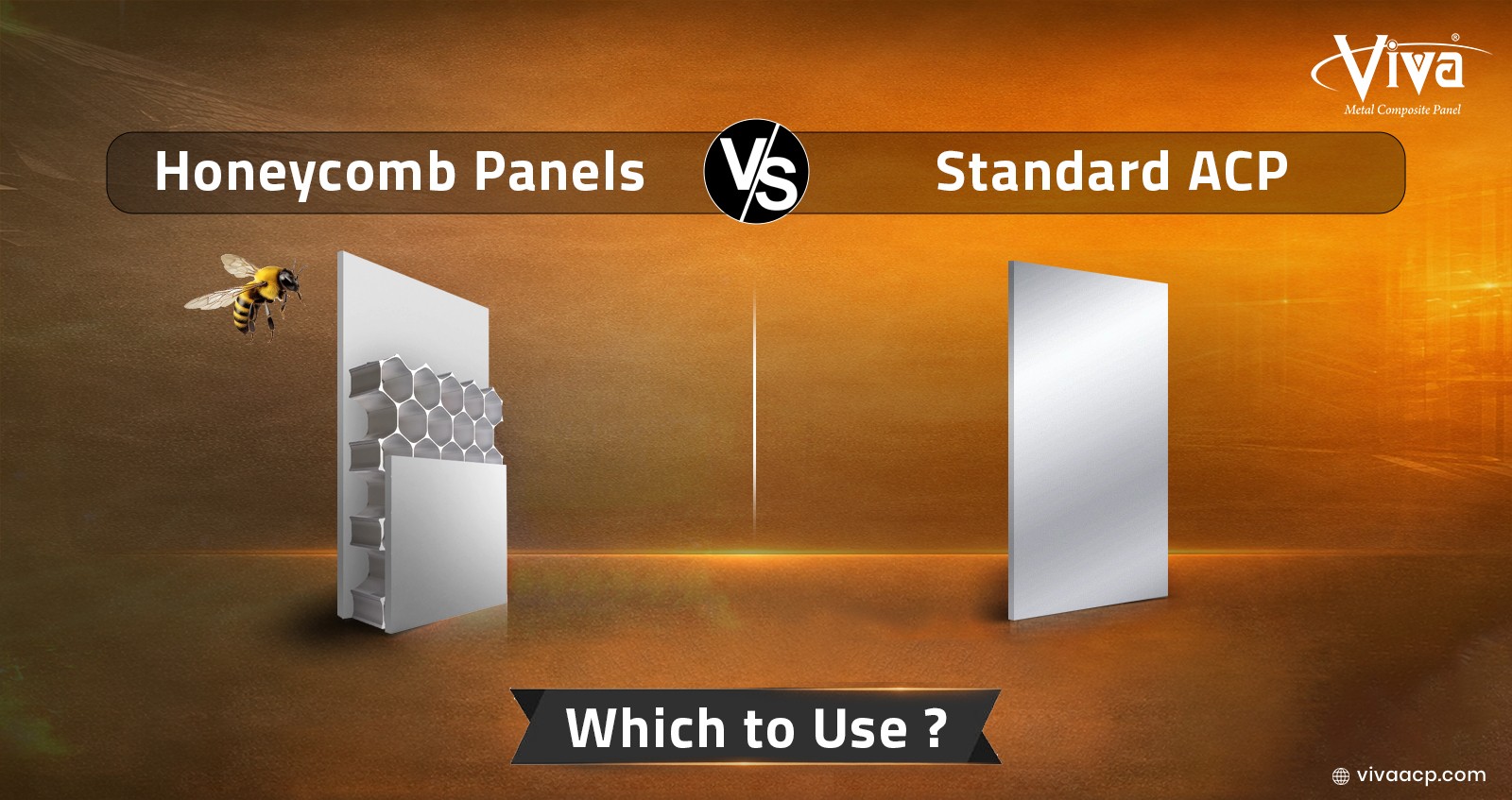
When it comes to modern architectural cladding and construction materials, the debate between honeycomb panels and standard Aluminium Composite Panels (ACP) is one that architects, builders, and project managers face regularly. Both materials offer distinct advantages, but choosing the wrong one can impact your project's performance, budget, and aesthetics. Understanding the structural, functional, and application differences between these two materials is essential before making a final decision.
What Is a Honeycomb Panel?
An aluminium honeycomb panel is a sandwich-structured composite material that consists of two thin aluminium face sheets bonded to a honeycomb core — typically made from aluminium, paper, or thermoplastic. This hexagonal core structure is what gives the panel its remarkable strength-to-weight ratio, making it a preferred choice in high-performance applications.
The honeycomb core mimics the natural geometry of a beehive, distributing loads evenly across the panel. This engineering principle results in a material that is:
● Exceptionally rigid despite being lightweight
● Resistant to bending, warping, and flexing
● Dimensionally stable under varying temperatures
● Ideal for large-span cladding and interior applications
Aluminium honeycomb panels are widely used in aviation, marine, high-rise façades, cleanrooms, and luxury interior fit-outs where flatness and rigidity are non-negotiable.
What Is a Standard ACP (Aluminium Composite Panel)?
Standard ACP consists of two aluminium sheets bonded to a solid or semi-solid polyethylene (PE) or fire-retardant (FR) core. It has been the go-to cladding material for commercial buildings, signage, and façades for decades due to its affordability, ease of fabrication, and wide availability.
Standard ACP is popular because it:
● Is cost-effective for medium-scale projects
● Comes in a vast range of colours, finishes, and textures
● Is easy to cut, rout, and bend on-site
● Offers adequate rigidity for most standard façade applications
● Supports printing and branding for signage
At Viva ACP, our standard ACP panels are engineered for consistent quality, UV resistance, and colour durability — making them a reliable choice for commercial exteriors, retail fit-outs, and interior wall cladding.
Honeycomb Panel vs. Standard ACP: A Structural Comparison
Core Composition
The most fundamental difference lies in the core. Standard ACP uses a continuous solid PE or FR core, while the ACP honeycomb uses a hollow, cell-structured core. The honeycomb geometry maximises material efficiency — delivering greater structural performance with significantly less weight.
Weight
Aluminium honeycomb panels are 30–50% lighter than comparable standard ACP panels of the same thickness. This is a critical factor in:
● High-rise façade installations where dead load matters
● Suspended ceiling systems requiring lightweight panels
● Moveable partition walls and folding structures
Flatness and Rigidity
One of the most visible differences in application is panel flatness. Standard ACP can bow or oil-can (show waviness) on larger panels, especially in high heat or direct sunlight. Honeycomb panels maintain superior flatness due to their core structure, making them ideal for:
● Large-format cladding panels (over 1500 mm)
● Mirror-finish or high-gloss aluminium surfaces
● Precision architectural features where visual perfection is required
Fire Performance
Both panel types can be manufactured in fire-retardant variants. However, aluminium honeycomb panels can achieve higher fire ratings because the hollow core limits combustible material volume. For projects requiring A2 or non-combustible classification (such as high-rise residential buildings), honeycomb panels offer a structural and compliance advantage.
When to Choose an Aluminium Honeycomb Panel
High-Rise and Premium Façades
For buildings taller than 18 metres or projects that require compliance with stringent fire codes, aluminium honeycomb panels are the safer and more structurally sound choice. Their lightweight nature also reduces the load on the supporting substructure.
Interior Luxury Applications
In luxury hotels, corporate headquarters, airports, and exhibition spaces, honeycomb panels deliver the flatness and surface quality that high-gloss or mirror finishes demand. Any imperfection in the substrate becomes visible on reflective surfaces — and the honeycomb core prevents this.
Long-Span and Cantilever Designs
When architects design bold overhangs, wide column covers, or large flat façade panels, standard ACP may not maintain structural integrity without additional reinforcement. The honeycomb panel handles these spans naturally.
Marine and Transport Applications
Due to their high strength-to-weight ratio and corrosion resistance, aluminium honeycomb panels are preferred in shipbuilding, rail interiors, and aviation fit-outs where every kilogram matters.
When Standard ACP Is the Right Choice
Budget-Sensitive Projects
Standard ACP is significantly more affordable than honeycomb panels. For commercial signage, retail façades, budget residential projects, or temporary structures, standard ACP delivers excellent visual results at a fraction of the cost.
Smaller Panel Sizes
For panels under 1200 mm, the flatness advantage of honeycomb becomes less critical. Standard ACP performs admirably in these dimensions and remains easier to fabricate and install.
High-Volume Cladding Projects
When cladding large areas of a mid-rise commercial building with standard colour finishes, standard ACP offers faster lead times, easier on-site cutting, and simpler joinery systems.
Signage and Branding
Standard ACP is widely used in backlit signage, hoardings, and retail branding boards. Its smooth surface accepts digital printing and vinyl wrapping well — making it the industry default for advertising and retail display applications.
You can explore our full range of ACP cladding solutions and fire-rated ACP panels to find the right fit for your project.
Cost Comparison: Is the Premium Worth It?
Feature Standard ACP Aluminium Honeycomb Panel
Cost Low–Medium Medium–High
Weight Moderate Very Light
Flatness Good (small panels) Excellent (all sizes)
Fire Rating PE / FR options A2 / Non-combustible
Fabrication Easy Requires precision
Best For General cladding, signage Premium façades, interiors
The investment in ACP honeycomb is justified when the project demands superior flatness, reduced structural load, enhanced fire compliance, or premium aesthetics. For everyday commercial applications, standard ACP remains the practical, proven choice.
Conclusion
Choosing between a honeycomb panel and standard ACP ultimately comes down to your project's performance requirements, budget, panel size, and application. Standard ACP is a versatile, cost-efficient solution for the majority of façade, signage, and interior applications. However, when structural precision, lightweight performance, and premium aesthetics matter — the aluminium honeycomb panel is the clear winner.
At Viva ACP, we supply both standard and ACP honeycomb solutions tailored to architectural and industrial requirements across India. Whether you're cladding a high-rise tower or designing a luxury interior, our expert team can help you make the right material choice.
Frequently Asked Questions (FAQs)
1. What is the main difference between a honeycomb panel and standard ACP?
The primary difference is the core material. Standard ACP uses a solid polyethylene or fire-retardant core, while an aluminium honeycomb panel uses a hollow hexagonal cell core, offering superior rigidity, flatness, and a better strength-to-weight ratio.
2. Is aluminium honeycomb panel more expensive than standard ACP?
Yes, aluminium honeycomb panels are generally more expensive due to their complex core manufacturing process. However, the cost is justified in high-performance applications where flatness, lightweight properties, and fire compliance are critical.
3. Can honeycomb panels be used for exterior cladding?
Absolutely. Aluminium honeycomb panels are widely used for exterior high-rise façades, curtain walls, and premium architectural cladding. They offer excellent weather resistance and dimensional stability in outdoor environments.
4. Which panel is better for fire safety — ACP honeycomb or standard ACP?
ACP honeycomb panels can achieve higher fire classifications (including A2 non-combustible ratings) because they contain less combustible core material. For buildings above 18 metres or projects with strict fire codes, honeycomb panels are the preferred choice.
5. Does Viva ACP supply both standard ACP and aluminium honeycomb panels?
Yes, Viva ACP supplies a comprehensive range of standard ACP panels and aluminium honeycomb panels suited for façades, interiors, signage, and industrial applications. Contact our team for specifications and pricing.
POPULAR POSTS

CATEGORIES
- Aluminium Compsoite panel 52
- ACP Sheet 170
- ACP Facade 9
- Copper Aluminium Sheet 1
- Fire Safety For Buildings 3
- ACP Cladding 14
- Colour Coated Aluminium Coil 2
- Aluminium Corrugated Composite Panel 1
- Facades 7
- Aluminium Honeycomb Panel 6
- Fire Retardant 8
- Zinc Composite Panel 4
- Corten Steel Series 1
- Metal Abstract Series 3
- Wooden ACP Sheet 1
- HPL Sheet 3
- Viva ACP Colour Coating 1
- Wall Cladding 2
- Applications of ACP Panel 1
- Viva ACP 14
- ACP Sheets for Architectural Projects 3
- PVDF vs Polyester 3
- ACP Sheets For Showroom 1
- Viva ACP on International Market 1
- Viva royal club app 1
- ACP Sheets for Branding Corporates 1
- Shades of Santa Fe 1
- Al Zinc Series 1
- ACP Sheet Sizes and Thicknesses 1
- Louvers and Baffles 1
- Sustainable Facades 1
ARCHIVES
Published by VIVA — Asia's Largest Manufacturer of Aluminium Composite Panels. 15M sq.mt capacity | 500+ shades | Thomas Bell-Wright FR A2+ Certified